Transformer Replacement · Brownfield Transformer Decision Guide
The Repair Quote Looked Cheaper—Until the Transformer Had to Be Paid for Twice
Published July 26, 2026 · Prepared by the TransformerGrid technical editorial team · Project-specific requirements require manufacturer, utility and applicable-standard verification.
A repair quotation can look like the fastest way out of a transformer problem. It may be 30%, 40%, or even 50% lower than a new unit. The equipment is already on site. The mounting arrangement is familiar. The buyer hopes the outage can be shortened by restoring what already exists.
Then the scope begins to expand.
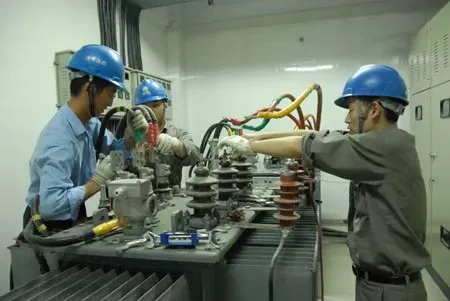
The tank must be drained. The transformer has to be removed from the pole. Freight is required in both directions. Oil tests reveal moisture. Internal inspection finds aged paper insulation. Bushings and gaskets are no longer standard. The rewind schedule is longer than expected. A second rental generator is needed. The “repair” becomes a sequence of separate costs, each approved after the first quotation was accepted.
The original repair price was not necessarily dishonest. It was simply answering a smaller question than the project actually asked.
The scenario in this article combines common procurement and maintenance problems. It is not presented as a single named customer order.
Repair, Refurbishment, Rewinding and Replacement Are Not the Same Decision
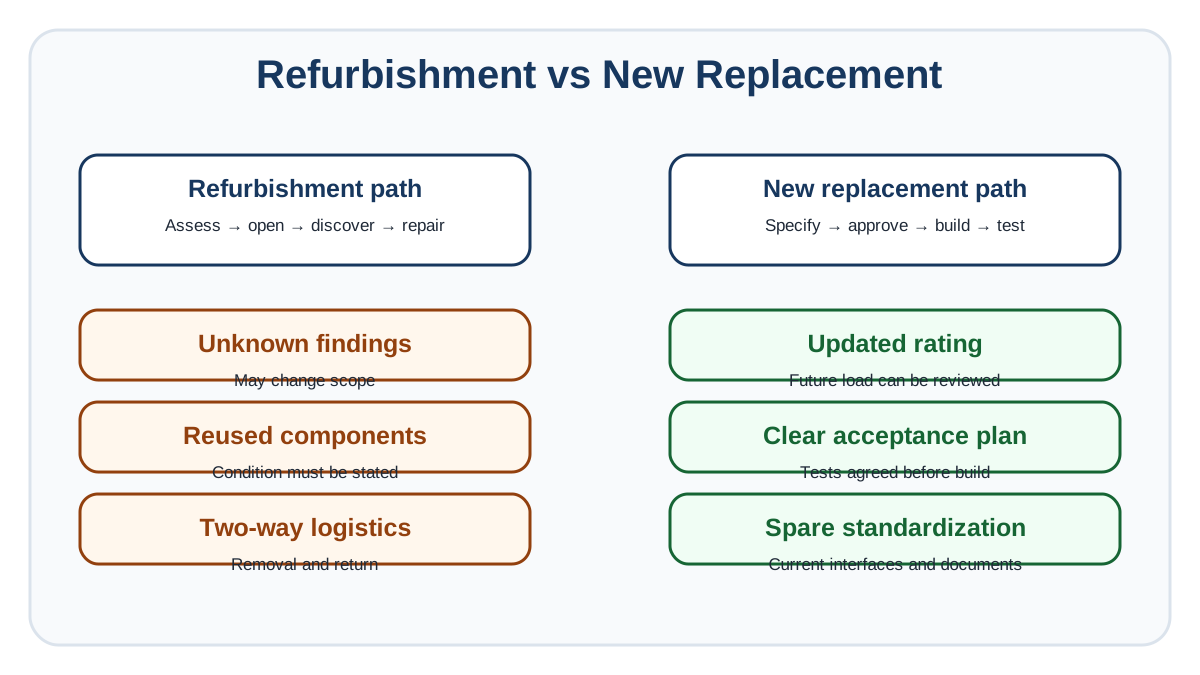
These terms are often used as if they were interchangeable. They are not.
Field repair
Field repair normally addresses an accessible defect without rebuilding the active part. Examples may include replacing an external bushing, repairing a leak, changing a gauge, correcting a loose connection, or replacing an accessory.
Field repair can be sensible when the defect is isolated, the transformer has a known service history, and the internal insulation system remains healthy.
Factory refurbishment
Refurbishment may include draining and filtering oil, replacing seals, repairing the tank, cleaning the active part, replacing bushings and accessories, repainting, drying, retesting, and restoring the unit for service.
The exact scope varies widely. A quotation that says “complete refurbishment” should still list every included inspection, material, test and warranty condition.
Rewinding
Rewinding is a deeper intervention. The core-and-coil assembly is opened, the old winding is removed, new conductors and insulation are installed, and the transformer is dried, reassembled, filled and tested.
Rewinding may preserve a special mechanical footprint or unusual voltage design. It can also expose the buyer to long lead time, uncertain findings after disassembly, and a warranty that may not equal a new transformer warranty.
New replacement
A new transformer allows the buyer to reassess capacity, voltage, BIL, taps, losses, protection, corrosion resistance, accessories, documentation and future load instead of automatically repeating the old design.
The purchase price may be higher, but the project scope is usually easier to define before the order.
The Seven Questions That Should Decide the Path

1. Is the failure isolated or systemic?
An external leak, damaged arrester or cracked bushing may be repairable. Repeated overheating, abnormal dissolved gases, carbonized insulation, winding deformation or multiple internal faults suggest a larger ageing problem.
2. What is known about the insulation condition?
The tank and paint can be restored. The more difficult question is the condition of the cellulose insulation around the winding. Once paper insulation has lost mechanical strength, a cosmetic refurbishment cannot restore it.
Useful evidence may include:
- dissolved gas analysis records;
- oil moisture, acidity and breakdown voltage;
- loading and temperature history;
- previous fault and protection records;
- insulation resistance and ratio test history;
- internal inspection findings when safe and justified.
3. Is the old rating still correct for the load?
A like-for-like rewind may reproduce a transformer that was already overloaded. The buyer should review connected load, motor starting duty, future expansion, ambient temperature and actual load profile before paying to restore the old kVA.
4. Are the voltage and utility requirements still current?
The local network may have changed. Protection settings, grounding practice, nameplate requirements, loss limits or documentation expectations may be different from those in force when the old unit was purchased.
5. Is the old mechanical arrangement worth preserving?
A special mounting bracket, pole geometry, bushing location or conductor arrangement can make an exact mechanical replacement valuable. However, preserving the footprint should not override electrical safety or future compatibility.
6. What is the real outage schedule?
A repair shop may quote a shorter production period, but the total schedule must include removal, draining, transport, inspection, approval of findings, material procurement, repair, drying, testing, return freight, lifting and recommissioning.
7. What warranty and evidence will be delivered?
The buyer should compare more than warranty length. Confirm what is covered, what testing will be performed, which values will be recorded, what parts remain original, and who is responsible if the unit fails acceptance testing.
Cost Comparison: What the First Quotation Often Leaves Out
| Cost item | Field repair | Factory refurbishment | Rewinding | New replacement |
|---|---|---|---|---|
| Initial quoted work | Low | Medium | Medium to high | High |
| Removal and lifting | Sometimes | Usually | Usually | Usually |
| Two-way freight | Rare | Usually | Usually | No return freight |
| Oil handling and disposal | Possible | Common | Common | Usually included in factory scope |
| Unknown findings after opening | Low | Medium | High | Low |
| Design update opportunity | Very limited | Limited | Moderate | High |
| Warranty clarity | Varies | Varies | Varies | Usually clearer |
| Schedule certainty | Medium | Medium | Low to medium | Medium to high after approval |
| Ability to standardize future spares | Low | Low | Moderate | High |
The cheapest line in this table is not automatically the cheapest project.
When Refurbishment Can Make Good Sense
Refurbishment deserves serious consideration when:
- the failure is limited to tank, seals, bushings or replaceable accessories;
- oil and electrical test records indicate the active part remains healthy;
- the transformer is a special design with a difficult mechanical interface;
- the unit is not chronically overloaded;
- the repair facility can define the scope before work begins;
- replacement parts are available;
- the test plan and warranty are clear;
- the outage schedule remains acceptable even if additional findings appear.
When New Replacement Is Usually the Stronger Decision
A new unit is often more defensible when:
- the transformer has repeated internal faults or unexplained gas generation;
- paper insulation ageing is advanced or unknown;
- the tank has widespread corrosion rather than one isolated defect;
- the rating no longer matches the load;
- the voltage or utility specification has changed;
- original drawings and test records are missing;
- repair requires a full rewind with uncertain core condition;
- the load is critical and the owner cannot accept a second outage;
- the buyer wants to standardize several sites around one current design.
Evidence to Request Before Approving a Refurbishment
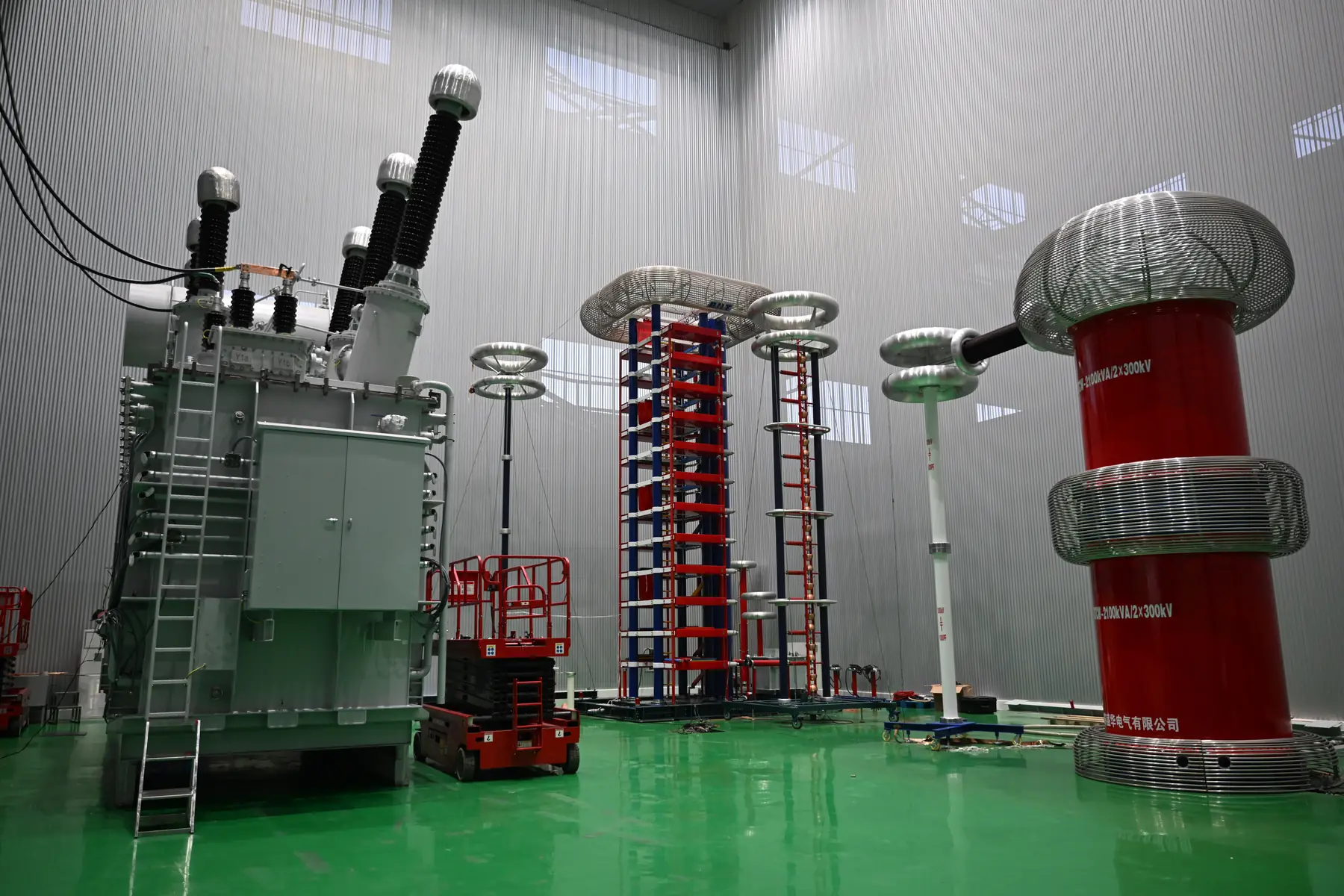
Ask the repair provider to state:
- the condition assessment method;
- parts to be reused;
- parts to be replaced;
- oil treatment or replacement scope;
- drying method;
- winding work, if any;
- tank repair and coating system;
- routine and special tests;
- acceptance limits;
- warranty exclusions;
- expected findings that could change the price;
- total schedule from removal to recommissioning.
Without this list, the buyer is comparing a detailed new-transformer quotation with an open-ended repair promise.
What to Send for a Replacement-Path Review
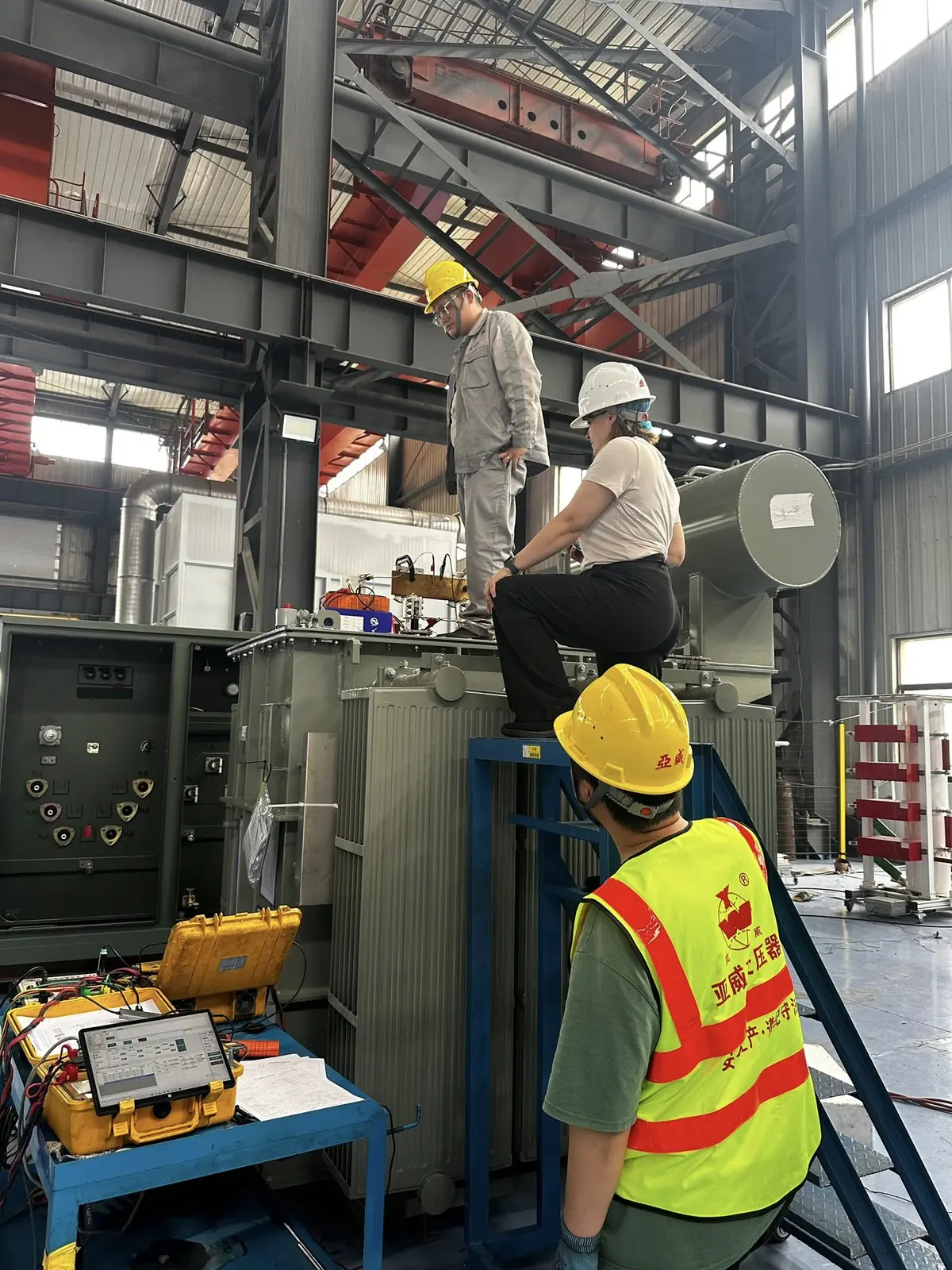
A useful review package includes:
- old nameplate photos;
- original drawings, if available;
- failure description and protection records;
- oil and DGA reports;
- load and expansion information;
- primary and secondary voltage;
- phase and frequency;
- site environment;
- mounting photos;
- required delivery date;
- local utility or project specifications.
TransformerGrid can help organize this information, identify open technical points, and coordinate a new-replacement quotation with a verified manufacturing partner. We do not present ourselves as the repair shop for every damaged unit. Our role is to help the buyer compare the repair path and the replacement path on the same technical and commercial basis.
Final Decision Rule
Do not ask only:
“Which option has the lower first quotation?”
Ask:
“Which option gives the clearest scope, acceptable outage risk, verifiable test evidence and lowest probability of paying for the same problem twice?”
FAQ
Is a refurbished pole-mounted transformer always less reliable than a new unit?
No. A properly assessed and competently refurbished transformer can provide useful service. The risk rises when the internal condition is unknown, the scope is vague, or the unit is being restored to an outdated or overloaded design.
Is rewinding faster than buying new?
Sometimes, but not automatically. The total schedule includes disassembly, inspection, material availability, drying, testing and transport. A standard new unit may be faster when manufacturing slots and design approval are available.
What test reports should be requested after refurbishment?
The test plan should match the repair depth and applicable standard. Common checks may include ratio, winding resistance, insulation resistance, losses, impedance, dielectric tests, oil tests and leak or pressure checks.
Can TransformerGrid quote a new replacement from an old nameplate?
An old nameplate is a useful starting point. A responsible quotation should also confirm present load, voltage, site conditions, protection, utility requirements and the cause of the original failure.
Send the Existing Condition Before Requesting a Quote
Share the old nameplate, drawings, site photos, current load, failure history, utility requirements and required delivery date. TransformerGrid can help organize open technical points and coordinate quotation, drawings, documents, FAT and export delivery with a verified manufacturing partner.
Send RFQ and drawingsPole-mounted transformerPad-mounted transformer