Transformer Replacement · Brownfield Transformer Decision Guide
The Old Nameplate Can Save the Project—or Repeat the Old Failure
Published July 26, 2026 · Prepared by the TransformerGrid technical editorial team · Project-specific requirements require manufacturer, utility and applicable-standard verification.
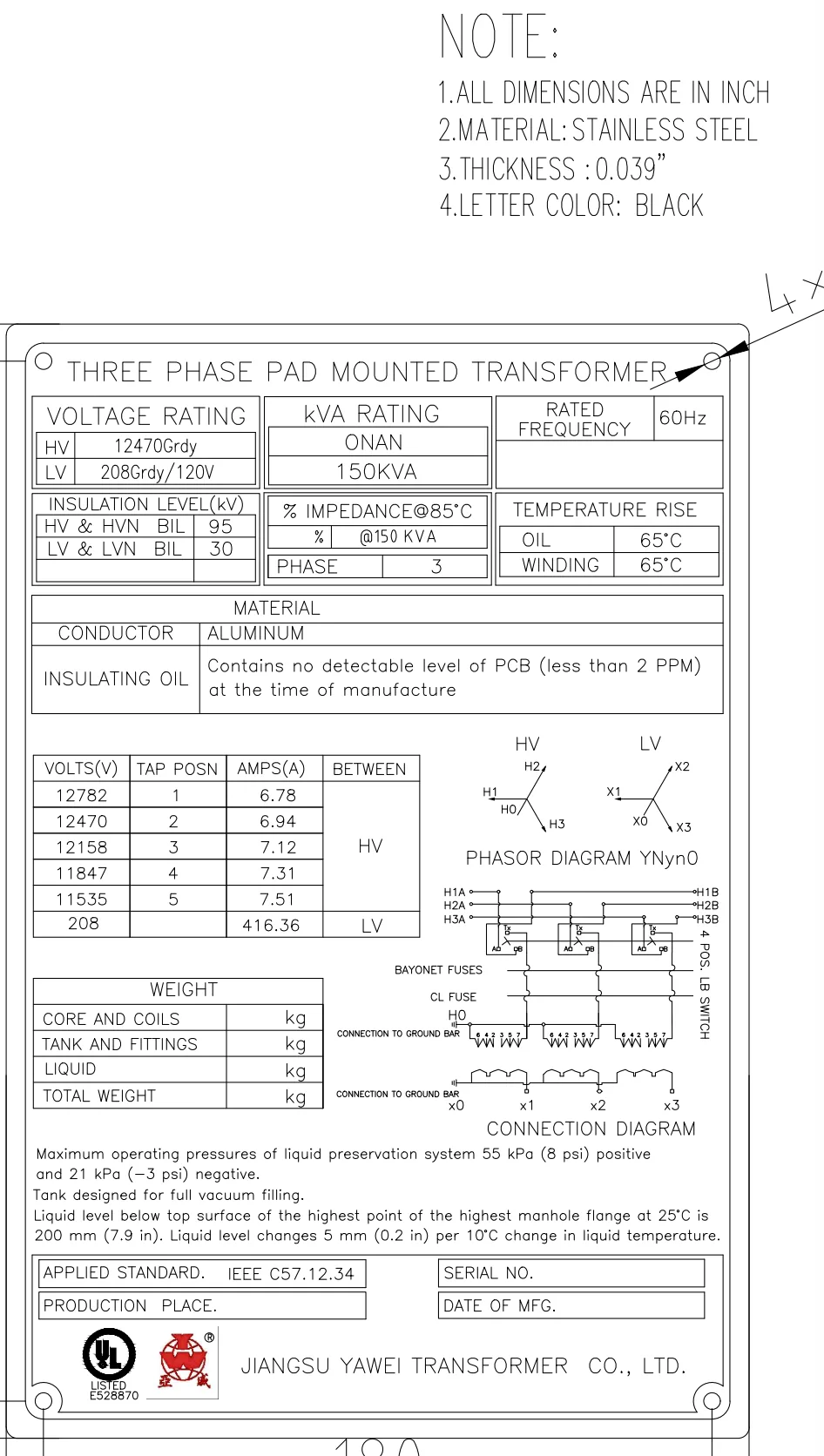
An old nameplate is one of the most valuable documents in a replacement project. It can confirm kVA, primary voltage, secondary voltage, phase, frequency, impedance, taps, connection and weight.
It can also tempt the buyer into a dangerous shortcut:
“Build exactly the same transformer.”
That request is only safe when the old design is still correct for the present network, present load and present environment. If the old transformer failed because it was undersized, poorly protected, exposed to corrosion or no longer matched the utility system, an exact copy can repeat the same problem with new paint.
The scenario in this article combines common replacement decisions. It does not describe one named customer order.
Why the Nameplate Is the Starting Point, Not the Final Specification
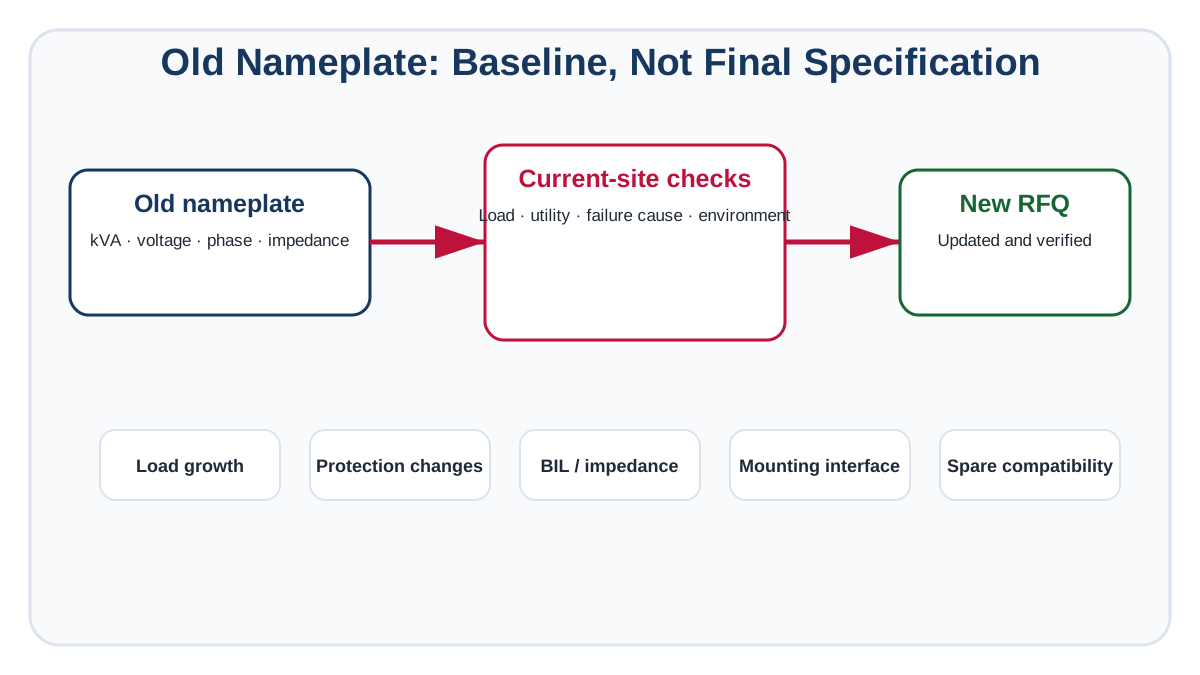
The nameplate records what the transformer was designed to be. It does not always reveal:
- how the unit was actually loaded;
- whether the network voltage changed;
- whether the protection was correctly coordinated;
- whether the environment caused premature deterioration;
- whether the original unit was already a compromise;
- whether the owner added motors, pumps, cooling or other equipment;
- whether the old transformer experienced repeated faults;
- whether current utility documents require different data or performance.
A responsible replacement begins with the nameplate and then checks the nine items below.
Check 1: Has the Load Changed?
List the present connected load, largest motors, duty cycles and planned expansion. A transformer selected fifteen years ago may no longer have enough thermal or starting margin.
Do not increase kVA automatically either. A larger transformer can change fault current, protection coordination, losses and mounting weight. Capacity should be reviewed as part of the system.
Check 2: Was the Old Unit Overloaded?
Look for:
- high operating temperature;
- darkened or aged oil;
- repeated fuse operation;
- abnormal sound;
- connector overheating;
- accelerated gasket and seal deterioration;
- loading records above expected design duty.
If overload contributed to failure, copying the old kVA is not a replacement strategy.
Check 3: What Actually Caused the Failure?
Different failure causes lead to different replacement requirements.
| Failure evidence | Questions for the new specification |
|---|---|
| Lightning or switching event | Is BIL adequate? Are arresters correctly selected and located? |
| External corrosion | Does the coating system match salt, humidity or industrial pollution? |
| Overheating | Is kVA, load profile, connection or cooling margin adequate? |
| Bushing damage | Are bushing type, creepage, mechanical loading and protection correct? |
| Internal fault | What do DGA, protection and test records indicate? |
| Repeated fuse operation | Is the fuse curve coordinated with load and fault current? |
| Tank leak and moisture | Is sealing, pressure relief and maintenance practice adequate? |
Without a failure hypothesis, the buyer may treat the symptom and preserve the cause.
Check 4: Has the Utility or Network Voltage Changed?
Confirm the actual present primary system, including whether the stated voltage is line-to-line or line-to-neutral for a single-phase unit. Verify the secondary system, neutral and grounding arrangement.
The old nameplate may be correct historically but no longer match a feeder conversion or utility standardization program.
Check 5: Are BIL, Impedance and Protection Still Appropriate?
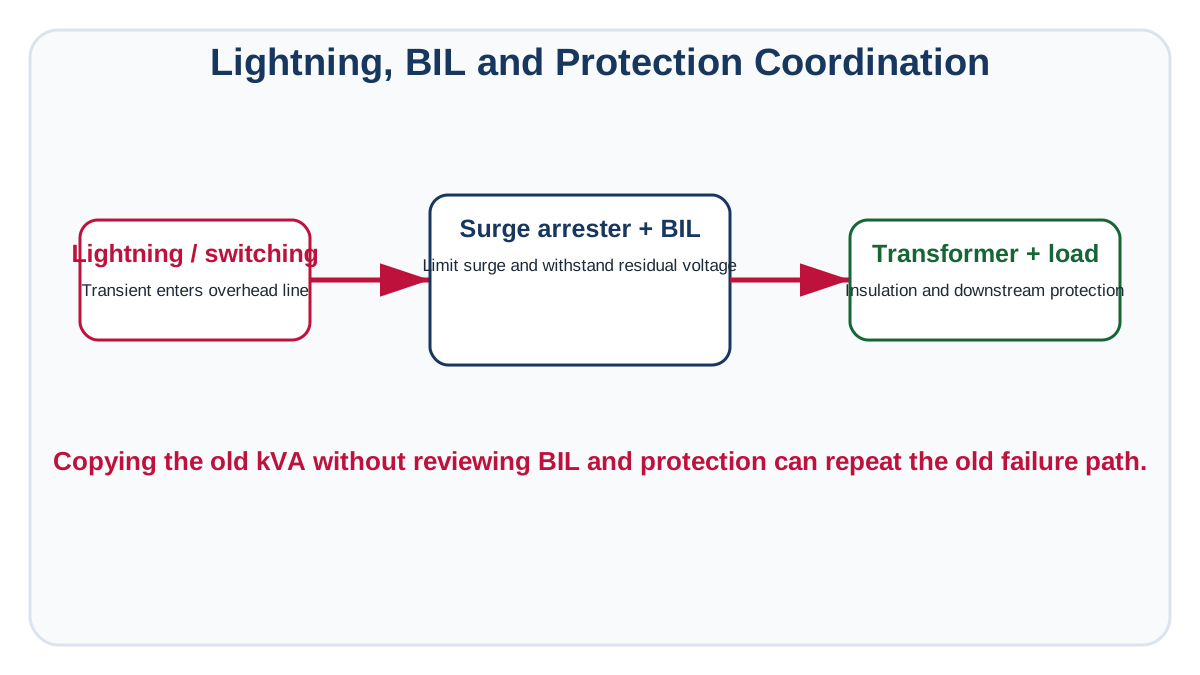
BIL affects insulation coordination. Impedance affects fault current and voltage regulation. Protection accessories and upstream devices must work with both.
If kVA or network conditions change, the buyer should not assume the old impedance and fuse arrangement remain suitable.
Check 6: Did the Environment Shorten the Old Unit’s Life?
Review:
- salt fog;
- humidity and condensation;
- industrial gases;
- high ambient temperature;
- altitude;
- dust;
- flooding or storm exposure;
- wildlife or vegetation;
- vibration or mechanical impact.
A replacement should specify the environment explicitly rather than ordering “outdoor type” and expecting every outdoor condition to be equal.
Check 7: Does the Mechanical Interface Still Work?
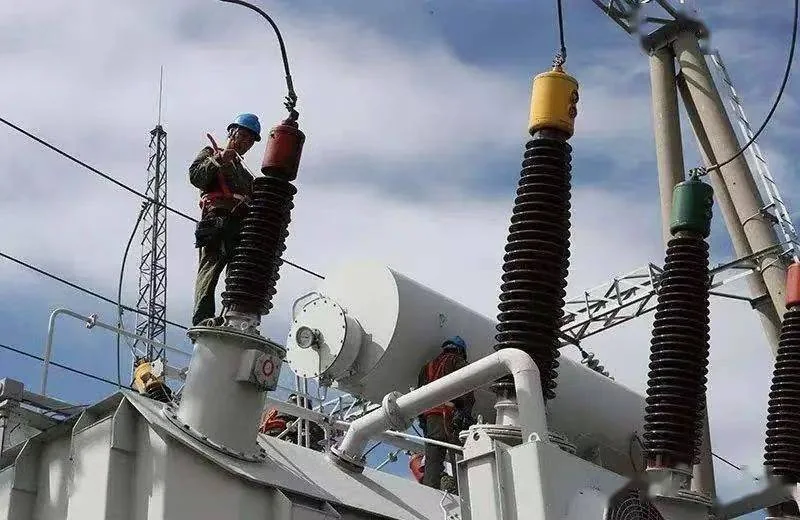
Confirm:
- pole class and condition;
- mounting brackets;
- tank dimensions;
- total weight;
- center of gravity;
- bushing location;
- conductor approach;
- grounding points;
- lifting arrangement;
- required clearances.
The old tank outline may be useful, but the new design should be checked against the actual structure and installation method.
Check 8: Are Current Documents and Tests Sufficient?
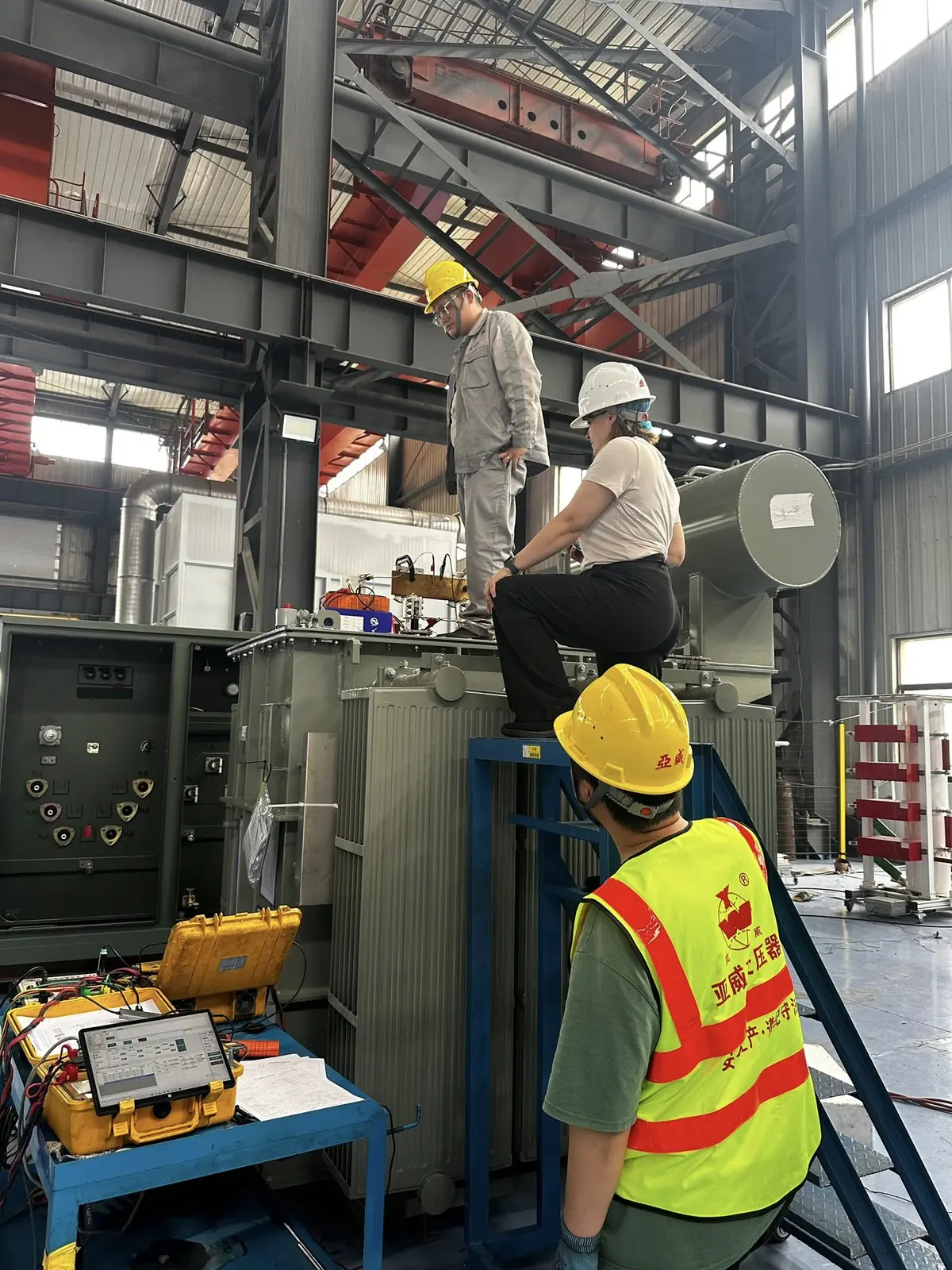
A replacement package may need:
- general arrangement drawing;
- nameplate drawing;
- technical data sheet;
- guaranteed losses;
- impedance and connection data;
- accessory list;
- routine test report;
- packing list;
- installation and maintenance information;
- photos before shipment;
- FAT or third-party inspection when justified.
A transformer that fits electrically but cannot pass the owner’s documentation process can still delay the project.
Check 9: Should the New Unit Be Standardized with Other Sites?
A replacement event is an opportunity to reduce future spare risk. Review whether several sites can share:
- voltage and phase;
- kVA family;
- taps;
- accessories;
- mounting dimensions;
- bushing arrangement;
- protection parts;
- test and document format.
Standardization may justify a slightly different design from the old unit if the network and utility permit it.
Safe Information Collection
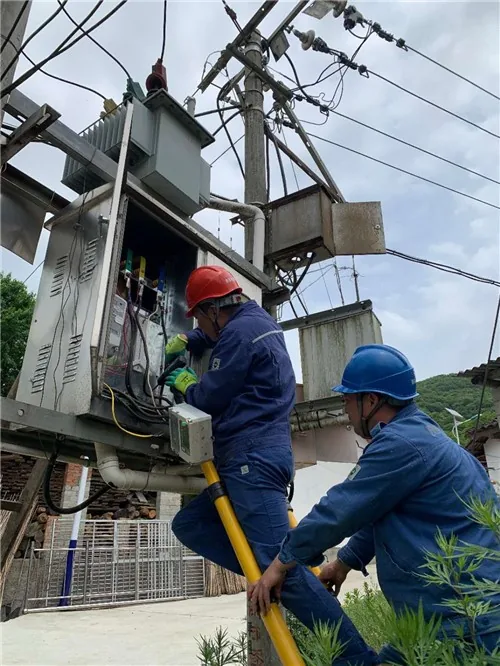
Never approach, climb or touch an energized pole-mounted transformer to obtain a nameplate photo. Use existing records, maintenance files, original drawings, utility data or qualified electrical personnel following local safety rules.
Useful replacement inputs include:
- safe nameplate photo or transcription;
- site photos from a permitted distance;
- single-line diagram;
- load list;
- failure and protection records;
- utility requirement;
- ambient and environmental data;
- required outage and delivery date.
A Better Replacement Instruction
Instead of writing:
“Make exactly the same transformer.”
Write:
“Use the existing nameplate and drawings as the baseline, then identify any required changes for current load, utility requirements, protection, environment, mounting, testing and documentation.”
That sentence protects the useful information in the old design without blindly repeating it.
How TransformerGrid Supports the Review
TransformerGrid can help organize old nameplate data, site information, open technical questions and documentation requirements before coordinating a quotation with a verified manufacturing partner.
Our value is not claiming that every old transformer should be redesigned. It is making the decision visible: what remains the same, what changes, why it changes, and what evidence supports the final configuration.
FAQ
Is the old nameplate enough to quote a replacement?
It may be enough for a preliminary budget. A production quotation should also confirm current load, actual voltage, failure cause, protection, mounting, environment, utility requirements and delivery scope.
Should the replacement always use the same kVA?
No. Keep the same kVA only when current and future load, protection and network studies support it. Increasing kVA also requires review of fault current, mounting and upstream/downstream equipment.
What if the nameplate is unreadable?
Use original procurement files, maintenance records, utility records, drawings, safe site observations and qualified measurements. Do not guess from tank size alone.
Can a pole replacement be changed to pad-mounted?
Yes in some projects, but it becomes a conversion project requiring pad, cable, protection, grounding, clearances, utility approval and outage planning.
Send the Existing Condition Before Requesting a Quote
Share the old nameplate, drawings, site photos, current load, failure history, utility requirements and required delivery date. TransformerGrid can help organize open technical points and coordinate quotation, drawings, documents, FAT and export delivery with a verified manufacturing partner.
Send RFQ and drawingsPole-mounted transformerPad-mounted transformer