Transformer Conversion · Brownfield Transformer Decision Guide
The Transformer Was Not the Expensive Part of the Pole-to-Pad Conversion
Published July 26, 2026 · Prepared by the TransformerGrid technical editorial team · Project-specific requirements require manufacturer, utility and applicable-standard verification.
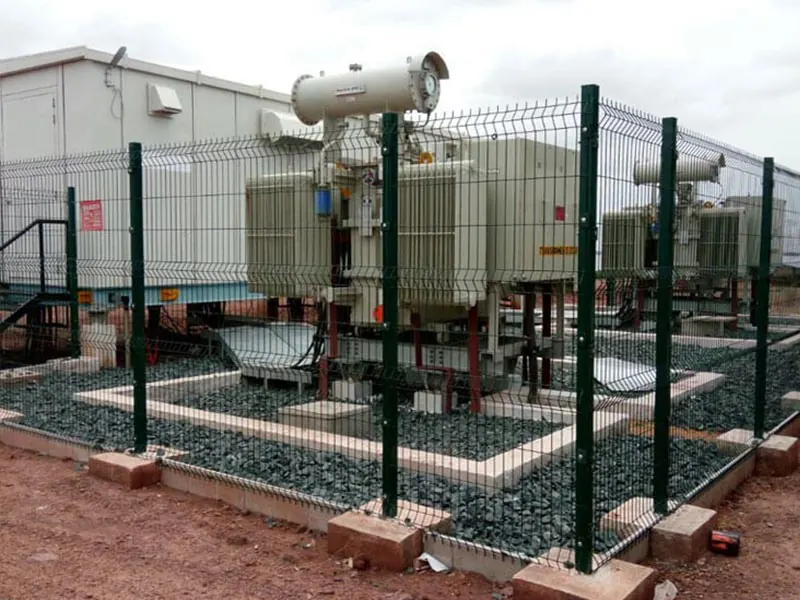
A property owner may begin with a simple request:
“We want to remove the pole transformer and install a pad-mounted transformer. Please quote the transformer.”
The transformer can be quoted. The conversion cannot.
A pole-to-pad project changes more than the equipment enclosure. It may change the line route, conductor type, cable termination, grounding arrangement, protection, maintenance access, public-safety controls, utility review and outage sequence. In many projects, the transformer is only one part of the total installed cost.
The scenario in this article combines common conversion problems and does not describe one specific customer order.
Why Owners Consider Converting from Pole to Pad
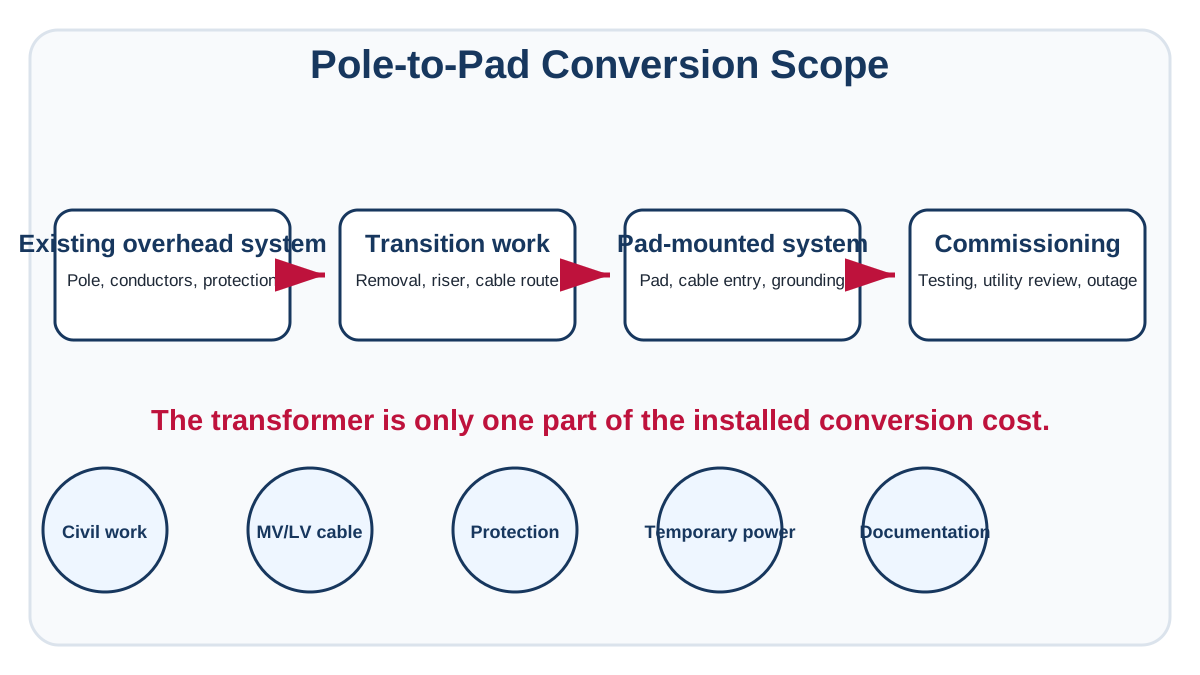
Typical drivers include:
- replacing overhead lines with underground cable;
- removing poles from a commercial frontage or redevelopment area;
- improving ground-level maintenance access;
- reducing visual impact in a resort, residential or public site;
- increasing capacity beyond what the existing pole arrangement can conveniently support;
- relocating the transformer away from traffic, trees or restricted access;
- standardizing the site with other pad-mounted equipment;
- meeting a revised utility or municipal development requirement.
A conversion can be a strong long-term decision. It can also be an expensive way to solve the wrong problem if the existing overhead network remains the dominant constraint.
The Full Cost Stack
1. Transformer and accessories
The equipment scope may include:
- pad-mounted transformer;
- loop-feed or radial-feed configuration;
- high-voltage bushings and parking stands;
- fuses, arresters and switching accessories;
- low-voltage terminals;
- gauges, valves and grounding provisions;
- corrosion protection;
- nameplate, drawings and test documents.
2. Civil work
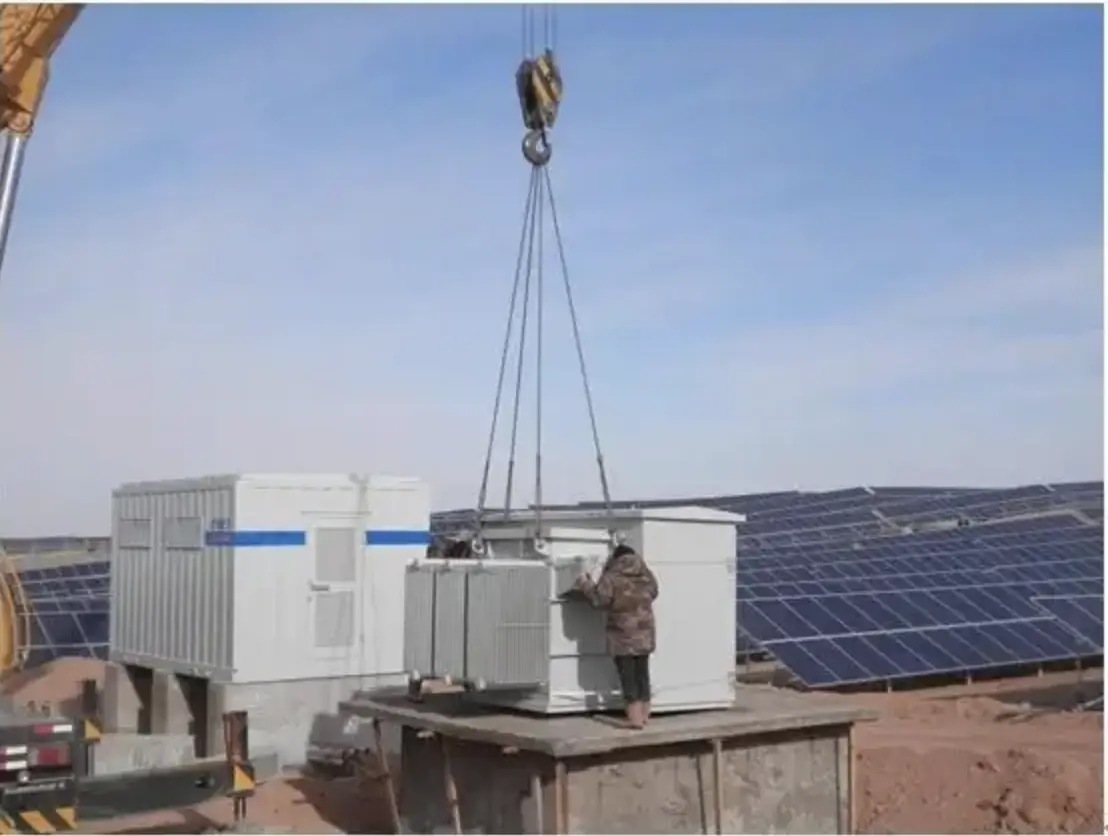
Civil work may include:
- site survey;
- concrete pad;
- excavation;
- cable trench or duct bank;
- drainage;
- soil improvement;
- equipment clearances;
- fire separation where applicable;
- protective bollards;
- restoration of pavement or landscaping.
3. Medium-voltage and low-voltage cable work
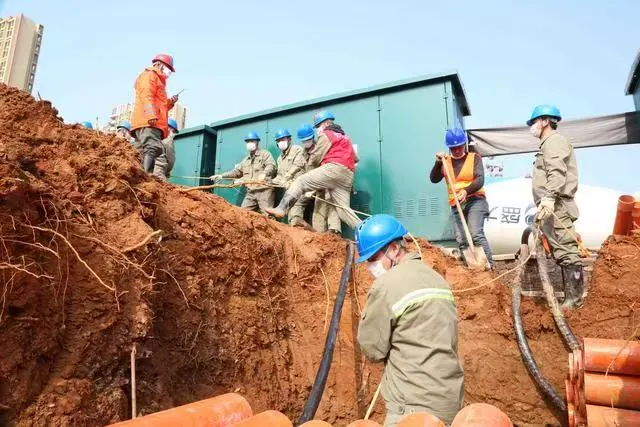
The project may require:
- new primary cable;
- new secondary cable;
- conduits;
- elbows and terminations;
- grounding conductor;
- cable pulling;
- cable testing;
- changes to overhead risers or transition structures.
4. Protection and coordination
A conversion can alter available fault current, cable protection, grounding and switching practice. The engineering review should address:
- transformer impedance;
- upstream fuse or breaker;
- downstream switchgear rating;
- surge protection;
- grounding arrangement;
- neutral treatment;
- arc-flash and fault-current implications;
- utility operating requirements.
5. Removal of the existing pole equipment
Removal may require:
- utility coordination;
- bucket truck or crane;
- de-energization and verification;
- oil handling;
- removal of the old transformer;
- pole or crossarm removal;
- disposal or return of equipment;
- conductor rerouting;
- temporary site protection.
6. Outage and temporary power
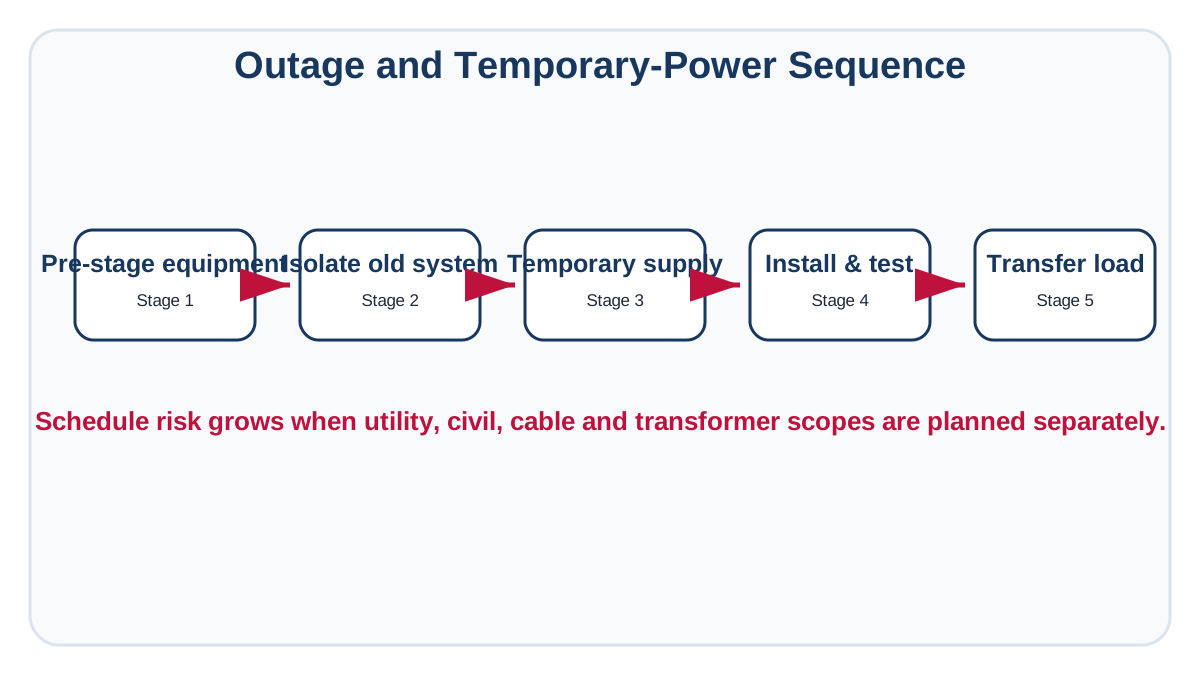
The owner should budget for:
- planned shutdown;
- generator rental;
- temporary switchgear or cables;
- contractor standby time;
- commissioning delay;
- lost production or business interruption;
- a contingency if the utility cannot energize on the first planned date.
A Practical Conversion Cost Table
| Cost category | Keep pole-mounted | Replace with pad-mounted | Convert pole to pad |
|---|---|---|---|
| Transformer equipment | Usually lower | Usually higher | Usually higher |
| Concrete and civil work | Low | Medium | Medium to high |
| Underground cable | Low | Medium | High if new route is required |
| Overhead hardware | Existing system remains | Limited | Transition work may be required |
| Protection changes | Project-dependent | Project-dependent | Often requires new review |
| Utility approval | Required as applicable | Required as applicable | Often more complex |
| Planned outage | Required | Required | Often longer or staged |
| Site restoration | Limited | Moderate | Potentially significant |
| Future ground-level access | Limited | Better | Better |
This is why a transformer-only quotation cannot answer whether a conversion is economical.
Three Decision Paths
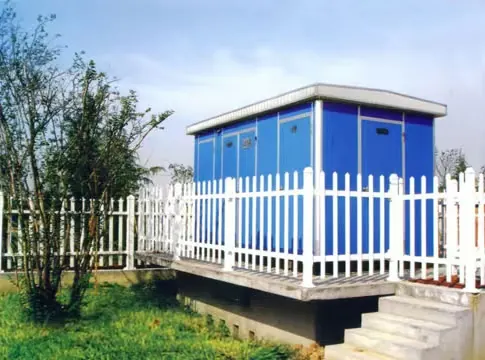
Path A: Keep the pole-mounted arrangement
Keeping the pole-mounted design is often reasonable when:
- the primary network remains overhead;
- the load is modest;
- the site has no public-access concern;
- pole access and maintenance are acceptable;
- underground conversion would require a long cable route;
- the existing mounting arrangement can safely support the replacement.
Path B: Convert fully to pad-mounted
Full conversion is often stronger when:
- the site is already moving to underground distribution;
- public access, aesthetics or maintenance access are important;
- the load is expanding;
- the existing pole location conflicts with redevelopment;
- the utility supports or requires the new arrangement;
- the owner is prepared to fund civil, cable and outage work.
Path C: Use a staged conversion
A staged plan may install a new pole-mounted replacement now while designing the future pad location, duct bank and protection arrangement for a later phase.
This can be useful when the existing transformer is failing but the redevelopment design is not ready. The risk is paying for two equipment moves, so the temporary solution should be chosen deliberately.
The Engineering Sequence Before Quotation
- Confirm ownership boundaries and utility requirements.
- Survey the existing pole, lines, transformer, service conductors and load.
- Confirm primary and secondary voltage, phase, frequency and grounding.
- Review existing and future load.
- Select a proposed pad location.
- Define cable route and entry direction.
- Check clearance, drainage, vehicle impact and maintenance access.
- Review protection and fault-current coordination.
- Develop an outage and temporary-power plan.
- Prepare a scope that separates transformer supply from site work.
Information to Send for a Conversion Review
- existing pole and transformer photos;
- old nameplate;
- site plan;
- single-line diagram;
- primary and secondary voltage;
- load list and future expansion;
- proposed pad location;
- approximate cable route and distance;
- utility documents;
- outage window;
- destination and required delivery date.
TransformerGrid can coordinate transformer configuration, drawings, technical clarifications, manufacturing documents, FAT requirements and export delivery. Civil design, utility approval and site construction must be completed by qualified local parties under applicable rules.
Final Decision Rule
A pole-to-pad conversion should not be approved because the pad-mounted transformer “looks more modern.” It should be approved when the complete network, site, safety, maintenance and life-cycle case supports it.
The transformer price is important. The conversion price is the real decision.
FAQ
Can a pole-mounted transformer be replaced directly with a pad-mounted transformer of the same kVA?
The kVA may be the same, but the installation is not direct. Cable routing, terminations, protection, grounding, pad design, clearances and utility approval must be reviewed.
Is pad-mounted always safer?
Pad-mounted equipment provides a lockable ground-level enclosure and can be well suited to public areas. Safety still depends on correct siting, grounding, protection, clearances, access control and maintenance.
How long does a pole-to-pad conversion take?
The equipment lead time is only one part. Design, utility review, civil work, cable procurement, outage scheduling and commissioning can control the schedule.
Can TransformerGrid provide the civil design?
TransformerGrid can coordinate transformer drawings and interface information. Final civil, electrical installation and utility-connection design should be completed and approved by qualified local engineers and authorities.
Send the Existing Condition Before Requesting a Quote
Share the old nameplate, drawings, site photos, current load, failure history, utility requirements and required delivery date. TransformerGrid can help organize open technical points and coordinate quotation, drawings, documents, FAT and export delivery with a verified manufacturing partner.
Send RFQ and drawingsPole-mounted transformerPad-mounted transformer