Cost & Procurement · Brownfield Transformer Decision Guide
The Transformer Is Only One Line in the Replacement Bill
Published July 26, 2026 · Prepared by the TransformerGrid technical editorial team · Project-specific requirements require manufacturer, utility and applicable-standard verification.
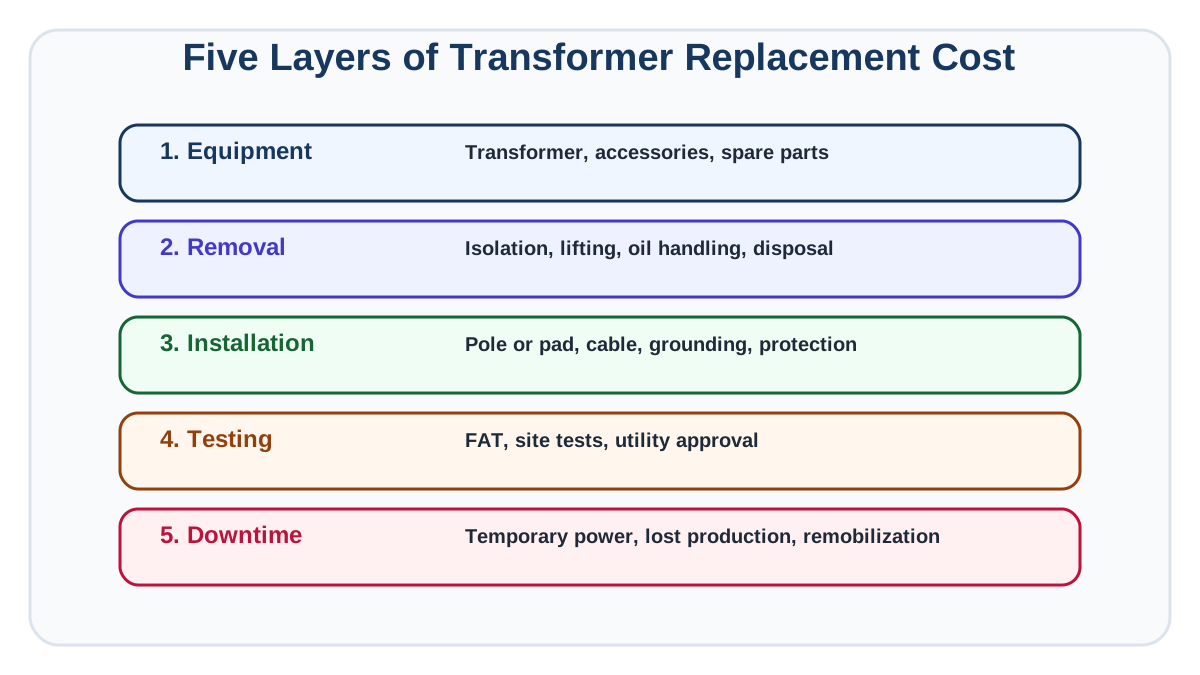
A buyer may compare two transformer quotations and choose the lower one. The project team may still exceed its budget because neither quotation includes the full replacement scope.
The equipment invoice is visible. The rest of the cost often appears later:
- crane or bucket truck;
- de-energization;
- removal and oil handling;
- cable or conductor work;
- foundation or pole work;
- testing;
- utility inspection;
- generator rental;
- contractor remobilization;
- business interruption.
The transformer price matters. The replacement project price determines whether the budget survives.
The cost scenario in this article is a composite of common replacement projects. It is not a quotation for a specific site.
Five Layers of Replacement Cost
Layer 1: New Equipment
The supply price may include:
- transformer;
- winding material and loss level;
- bushings and terminals;
- fuses, arresters and switching accessories;
- gauges and valves;
- taps;
- coating system;
- drawings and nameplate;
- routine test reports;
- export packing;
- freight under the agreed Incoterm.
A low equipment price may exclude accessories or documents that another supplier includes. The comparison must use the same scope.
Layer 2: Removal of the Existing Unit
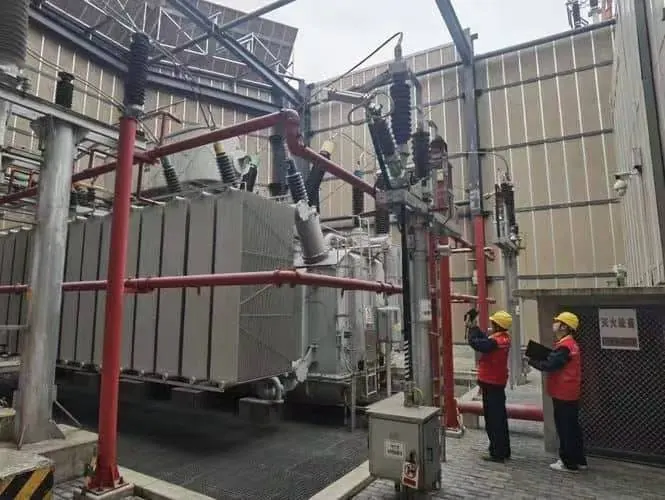
Removal costs may include:
- outage coordination;
- utility switching;
- bucket truck or crane;
- rigging;
- oil draining or containment;
- disconnecting primary and secondary conductors;
- temporary protection of the site;
- old equipment transport;
- disposal, recycling or return to owner;
- environmental documentation.
Pole-mounted and pad-mounted removals use different equipment, but both can become expensive when access is poor or the outage window is narrow.
Layer 3: Installation and Site Work
Pole-mounted replacement
Possible costs include:
- pole inspection or replacement;
- crossarms and brackets;
- lifting;
- overhead conductor work;
- arresters and cutouts;
- grounding;
- secondary service connection;
- vegetation or access management.
Pad-mounted replacement
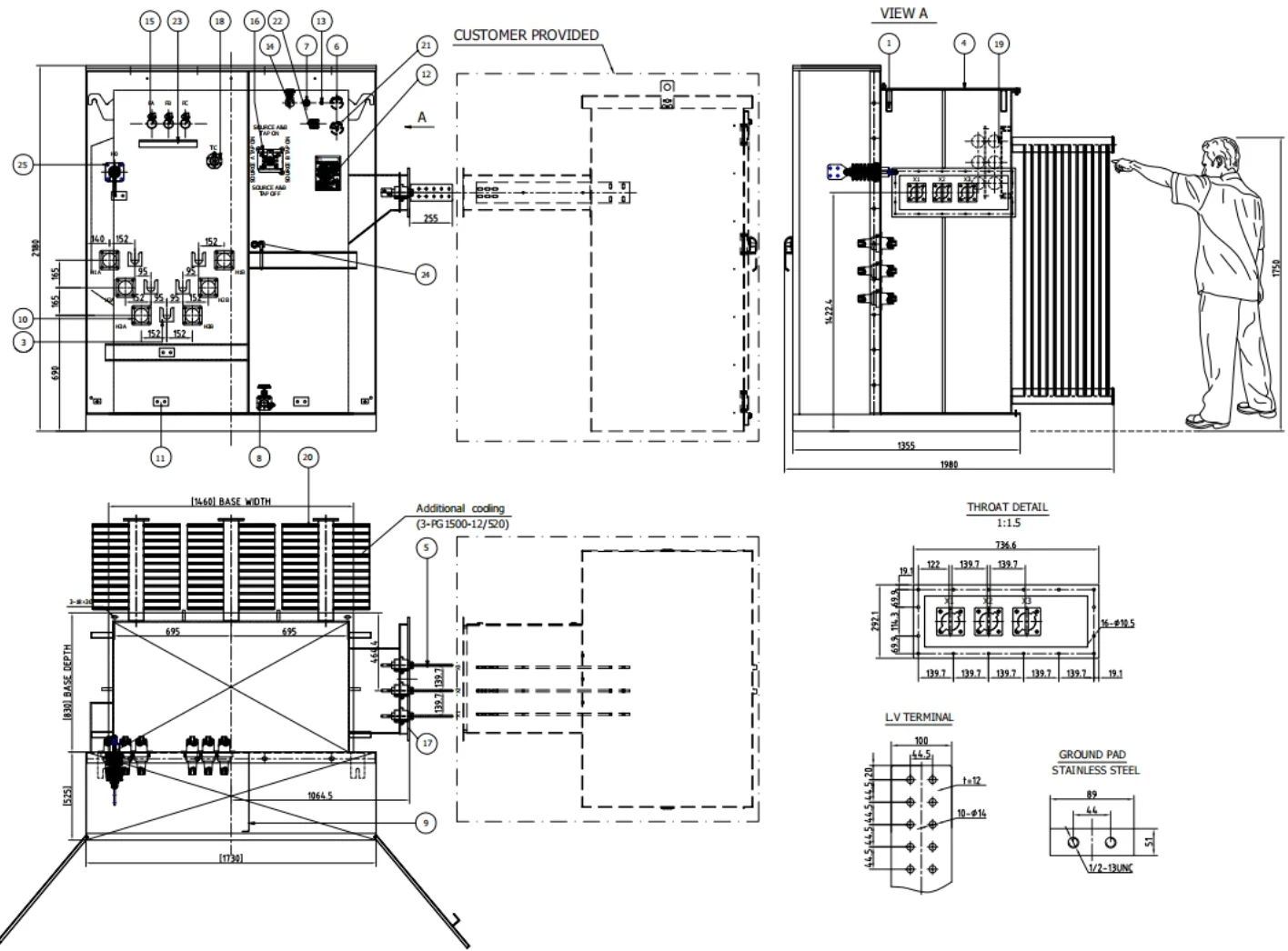
Possible costs include:
- concrete pad repair or replacement;
- trench and conduit work;
- medium-voltage cable and elbows;
- low-voltage cable and lugs;
- grounding grid;
- drainage;
- bollards;
- access clearance;
- cabinet orientation and cable-entry correction.
Pole-to-pad conversion
Conversion can include both sets of costs plus overhead-to-underground transition work.
Layer 4: Testing, Approval and Commissioning
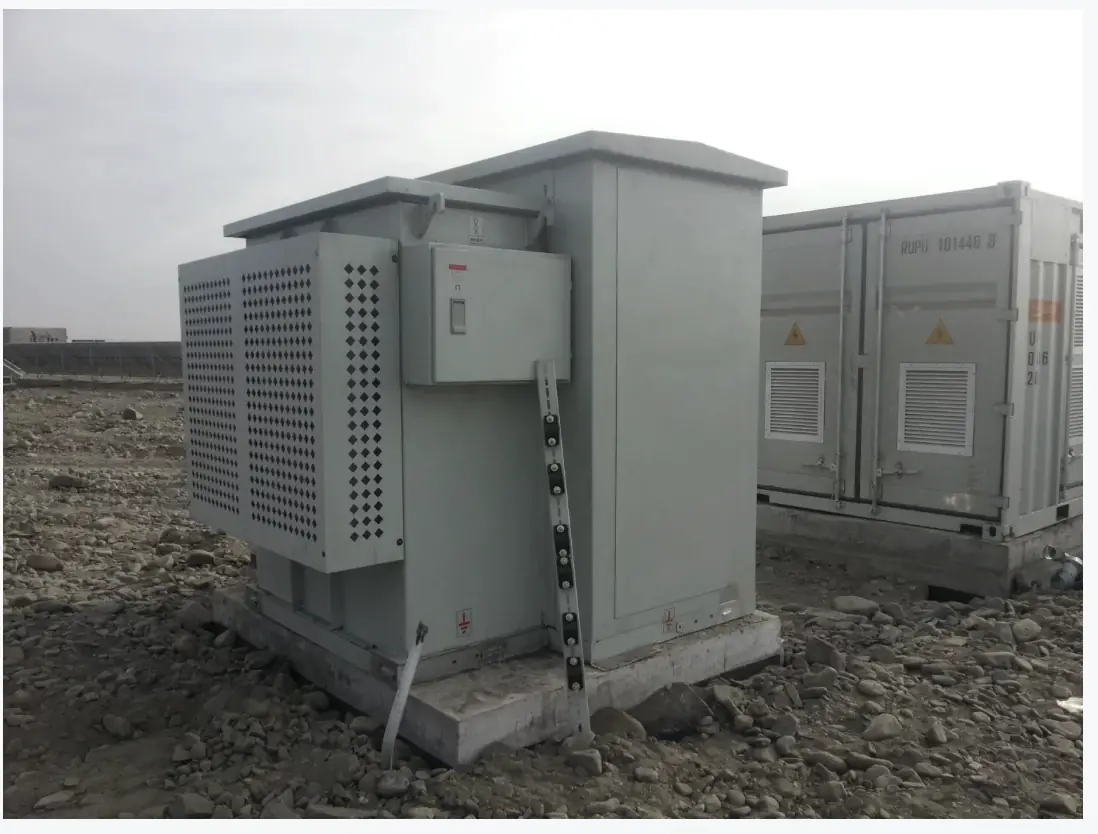
Budget for:
- factory tests;
- optional FAT or inspection;
- site insulation and cable tests;
- ratio and polarity checks;
- grounding checks;
- protection verification;
- utility witness or inspection;
- commissioning records;
- document corrections;
- reinspection if the first submission is rejected.
Documentation delays can be as real as manufacturing delays. Drawings, nameplate data and test reports should be agreed before shipment.
Layer 5: Time and Downtime
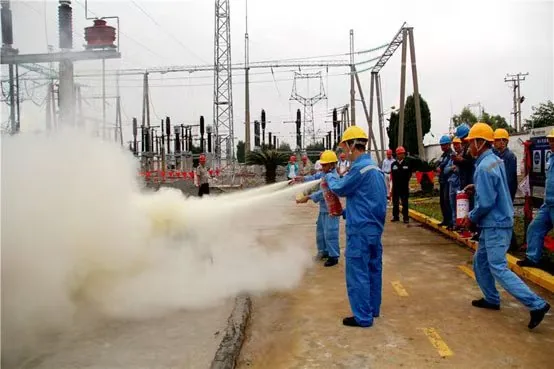
Downtime can exceed the transformer price when the load supports:
- manufacturing;
- refrigeration;
- pumping;
- mining;
- hospitality;
- healthcare;
- data processing;
- commercial opening dates.
Time-related costs may include:
- generator fuel and rental;
- temporary cable and switching;
- lost production;
- spoiled inventory;
- contractor standby;
- overtime;
- expedited freight;
- second mobilization;
- delayed occupancy or commissioning.
Comparative Budget Framework
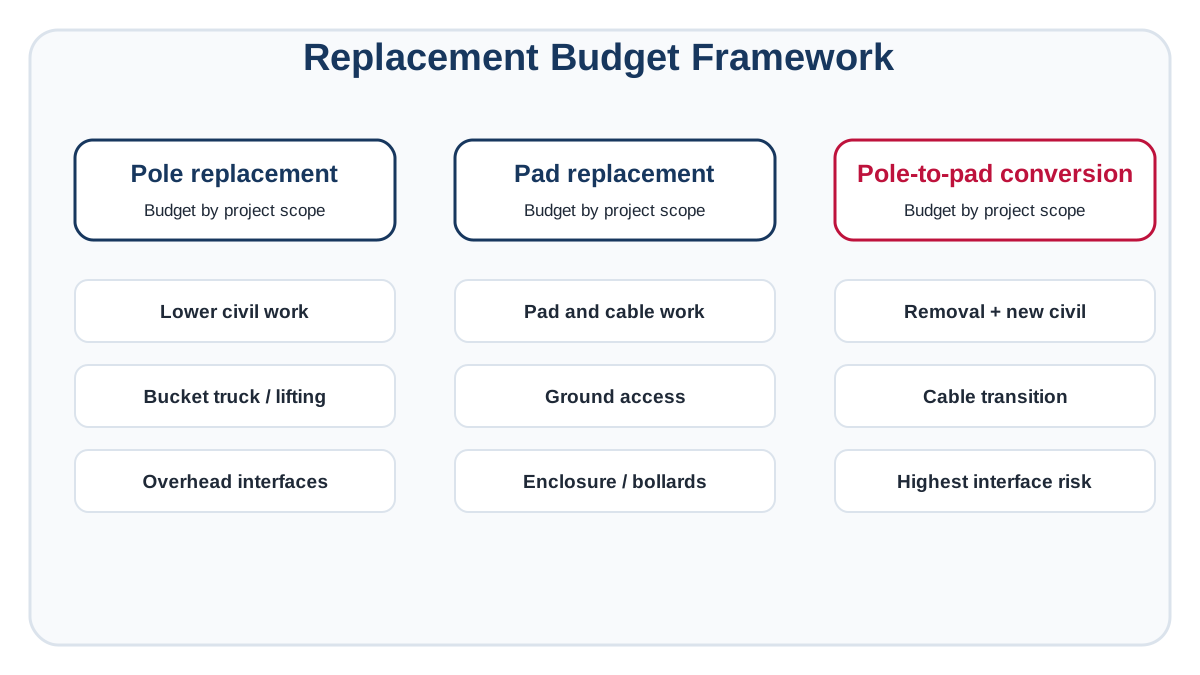
| Cost item | Pole-for-pole replacement | Pad-for-pad replacement | Pole-to-pad conversion |
|---|---|---|---|
| Transformer supply | Medium | Medium to high | Medium to high |
| Pole / overhead hardware | Medium | Low | Medium for transition |
| Concrete / civil work | Low | Medium | High |
| MV cable and terminations | Low | Medium | High |
| Lifting equipment | Bucket truck or crane | Crane or forklift | May require both |
| Utility coordination | Required as applicable | Required as applicable | Usually more complex |
| Outage duration | Often shorter when like-for-like | Moderate | Often longest |
| Temporary power need | Project-dependent | Project-dependent | More likely for staged work |
| Approval risk | Lower if unchanged | Moderate | Higher because interfaces change |
| Future maintenance access | Elevated | Ground level | Ground level after conversion |
The table is a budgeting framework, not a fixed price list. Site conditions and local requirements control the final cost.
The Second-Mobilization Trap
Many replacement budgets fail because one missing interface is discovered after the contractor leaves.
Examples:
- the low-voltage lugs do not match the cable;
- the pad opening is in the wrong location;
- the new transformer is heavier than the existing pole arrangement allows;
- the utility requires a different arrester or fuse;
- a test report is missing;
- the cable length was underestimated;
- the outage ends before commissioning is complete.
A second crane, second crew and second shutdown can cost more than the original equipment-price difference.
How to Build a Replacement Budget Before Ordering
Step 1: Separate supply and site scopes
Create distinct lines for transformer supply, removal, civil work, cable work, utility work, testing, commissioning and temporary power.
Step 2: Identify ownership boundaries
Clarify which equipment belongs to the utility, owner, landlord, EPC or contractor.
Step 3: Confirm interface dimensions
Review pole mounting, pad dimensions, cable-entry direction, bushing location, terminal type, conductor size, weight and clearances.
Step 4: Price the outage
Estimate generator cost, operational loss, contractor standby and contingency days.
Step 5: Include schedule risk
A cheaper transformer with a longer or less certain delivery may not be cheaper for a critical replacement.
What to Send for a More Complete Quotation
- transformer type and kVA;
- primary and secondary voltage;
- phase and frequency;
- nameplate and drawings;
- site photos;
- mounting or pad dimensions;
- cable and conductor information;
- protection requirements;
- utility documents;
- required tests and documents;
- destination and delivery date;
- planned outage window;
- whether temporary power is required.
TransformerGrid can coordinate the equipment scope, drawings, technical clarifications, factory documentation, FAT requirements and export delivery with verified manufacturing partners. Local removal, civil work, installation and utility connection must be priced and executed by qualified local parties.
Final Decision Rule
Do not select a replacement transformer until the project team can answer:
“What will we spend from the first shutdown instruction to final energization?”
That number, not the transformer invoice alone, is the true replacement cost.
FAQ
Why can installation cost more than the transformer?
Civil work, cable, lifting, outage coordination, temporary power, utility work and contractor mobilization can exceed equipment cost, especially in conversions or difficult-access sites.
Is pole-mounted replacement always cheaper than pad-mounted replacement?
Not always. Pole-mounted equipment may have lower enclosure and civil cost, but access, pole condition, overhead work and outage constraints can change the result.
Should freight be included in replacement cost?
Yes. Compare the Incoterm and include inland transport, unloading, rigging, insurance, customs and site delivery where applicable.
How can buyers reduce replacement cost risk?
Confirm interfaces early, separate scopes, approve drawings before production, define required tests and documents, and build an outage plan with contingency.
Send the Existing Condition Before Requesting a Quote
Share the old nameplate, drawings, site photos, current load, failure history, utility requirements and required delivery date. TransformerGrid can help organize open technical points and coordinate quotation, drawings, documents, FAT and export delivery with a verified manufacturing partner.
Send RFQ and drawingsPole-mounted transformerPad-mounted transformer