Spare Strategy · Brownfield Transformer Decision Guide
One Spare for Five Sites Sounds Efficient—Until One Voltage Does Not Match
Published July 26, 2026 · Prepared by the TransformerGrid technical editorial team · Project-specific requirements require manufacturer, utility and applicable-standard verification.
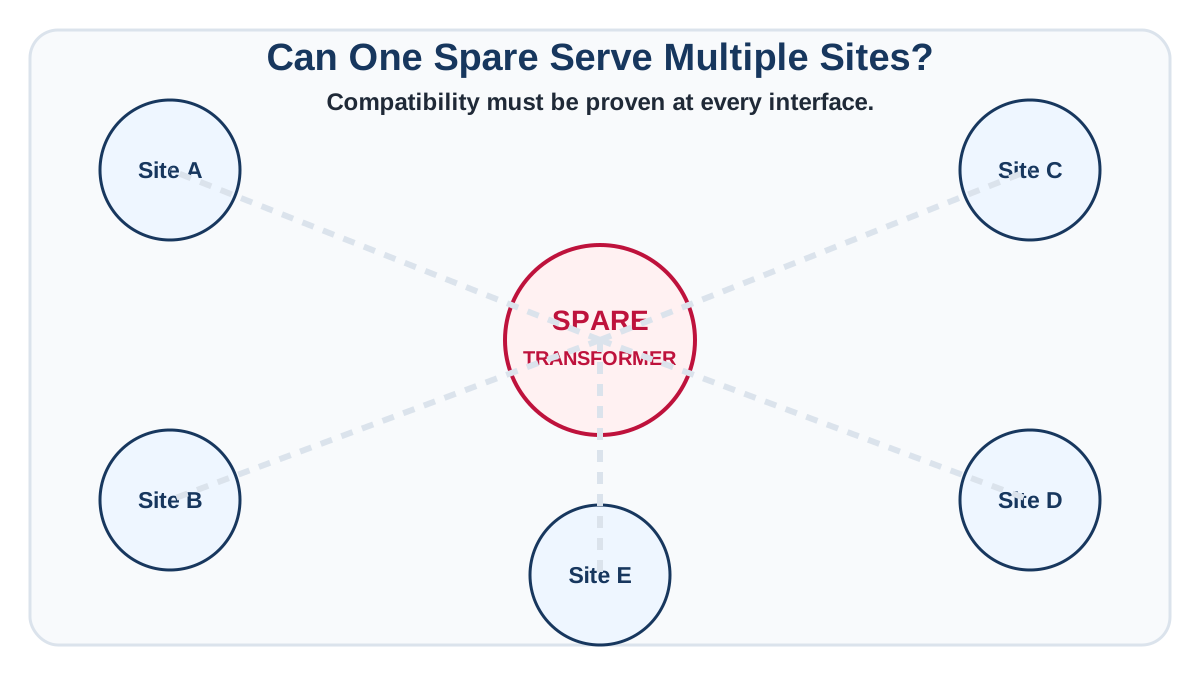
A multi-site owner may decide to buy one spare transformer for five facilities. The plan appears efficient: one capital purchase, one storage location and one emergency unit ready for the next failure.
Then a transformer fails.
The spare has the right kVA but the wrong primary voltage. Or the voltage matches, but the secondary connection does not. Or the electrical data works, but the pole brackets, pad opening, cable-entry direction, bushings or protection accessories do not.
The owner has a spare transformer and still has no usable replacement.
The scenario in this article combines common spare-planning problems and does not describe a single named customer order.
Standardization Is an Engineering Project, Not an Inventory Shortcut
A standardized spare can reduce emergency lead time, inventory cost and procurement complexity. It can also create false confidence if compatibility is based only on kVA.
The goal is not to make every site identical at any cost. The goal is to identify which sites can safely share a spare, what field changes are permitted, and which sites require a dedicated unit.
The 15-Point Interchangeability Matrix
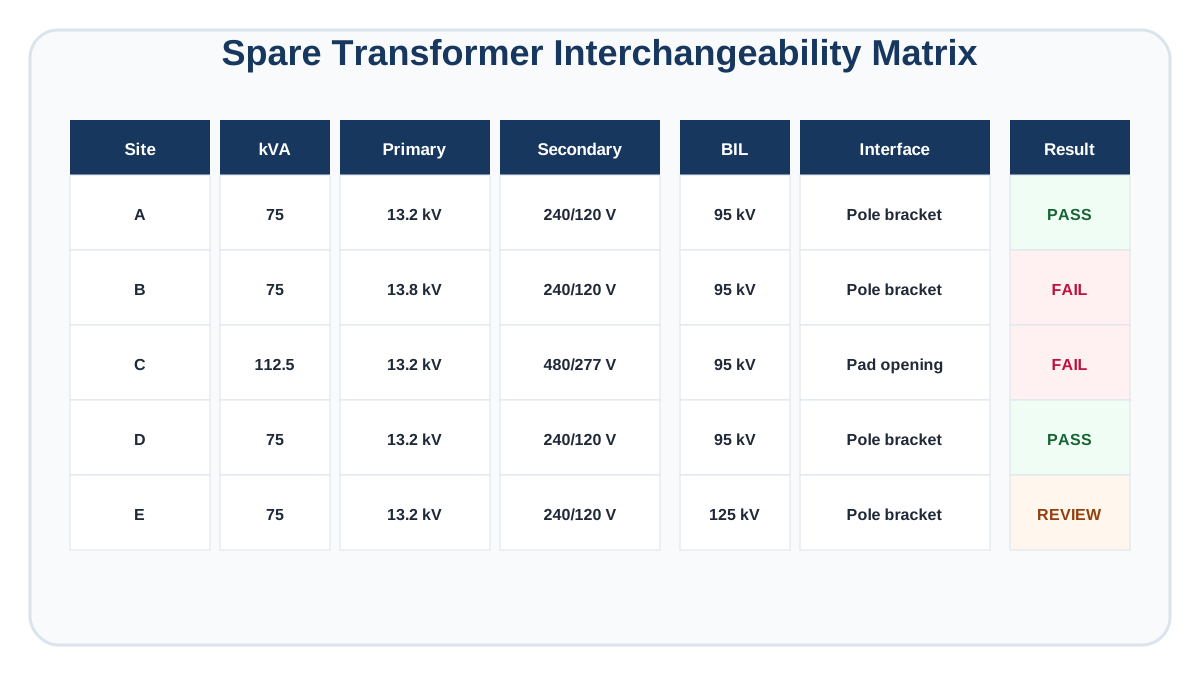
1. Rated kVA
The spare must support the required load without creating unacceptable overload or voltage regulation. A larger spare is not automatically acceptable because fault current, weight, losses and protection may change.
2. Primary voltage
Confirm nominal system voltage and whether a single-phase unit is connected line-to-line or line-to-neutral.
3. Secondary voltage
Verify phase-to-phase, phase-to-neutral, conductor count and neutral requirements.
4. Phase and frequency
Single-phase and three-phase equipment are not interchangeable. Frequency must match the system.
5. Connection and polarity
Vector group, polarity and grounding arrangement must match the network and downstream equipment.
6. BIL and insulation class
The spare must meet the most demanding applicable insulation requirement among the sites it is intended to serve.
7. Impedance
Impedance affects fault current, voltage drop and protection coordination. A spare with different impedance can require engineering review before connection.
8. Tap range
A suitable tap range may allow one design to serve sites with small primary-voltage differences, but tap selection must remain within approved operating conditions.
9. Protection accessories
Compare cutouts, fuses, arresters, bayonet or current-limiting fuses where applicable, pressure relief and other required protection.
10. Bushings and terminals
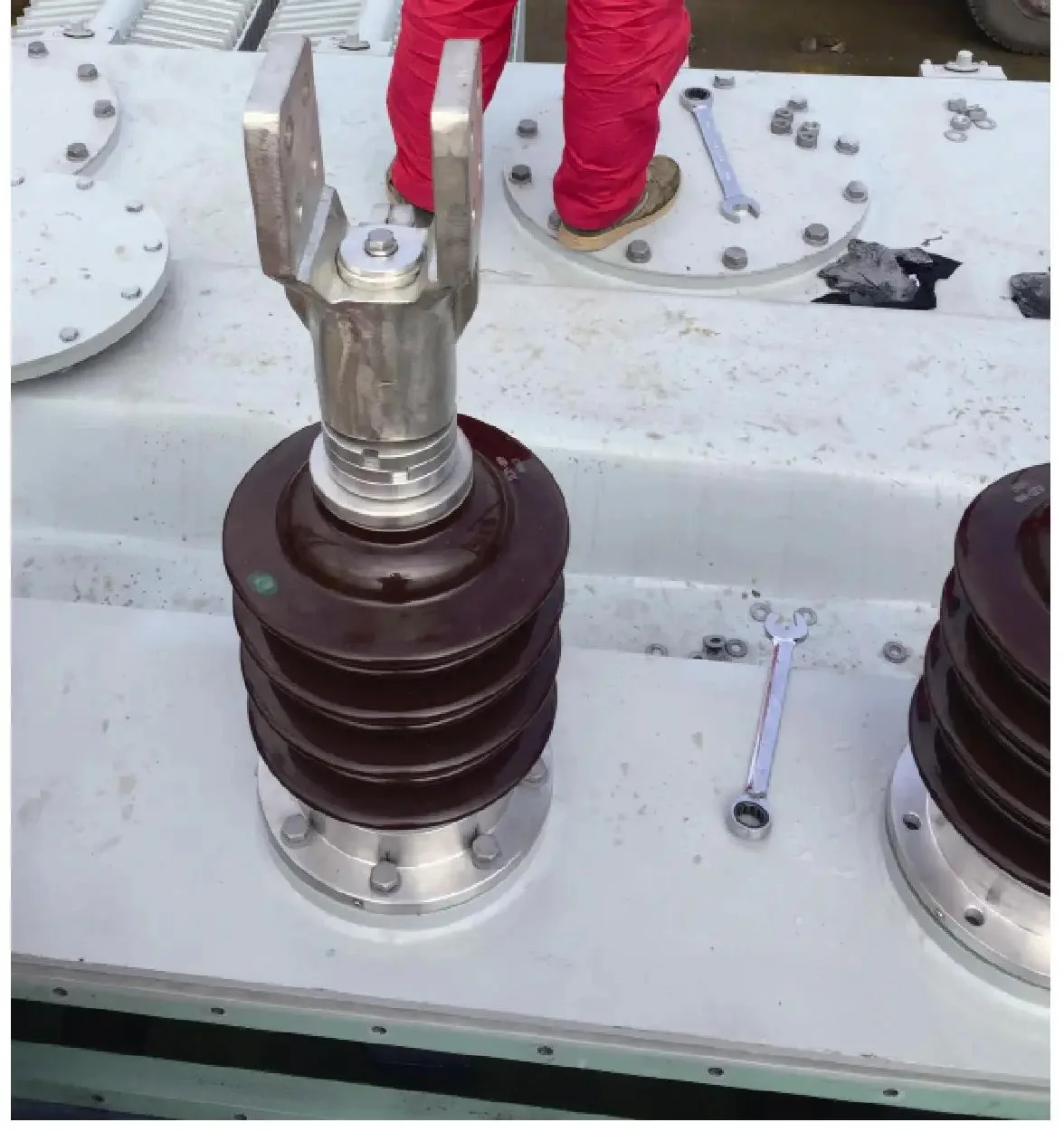
Check ratings, quantity, orientation, interface type, cable elbows, lugs and conductor size.
11. Pole mounting interface
For pole-mounted spares, confirm bracket spacing, tank diameter, weight, center of gravity, pole capacity, conductor approach and lifting method.
12. Pad and cable-entry interface
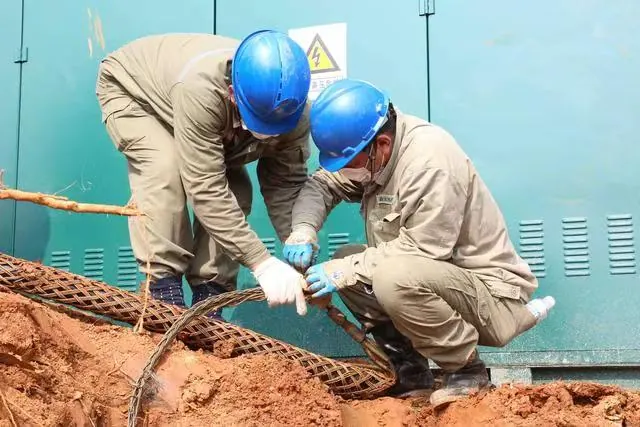
For pad-mounted spares, confirm pad footprint, opening, cabinet orientation, high-voltage and low-voltage compartment arrangement, cable-entry direction and clearance.
13. Environmental duty
A spare stored inland may later be installed at a coastal, high-altitude, desert or tropical site. The coating, temperature rise, insulation and accessories must suit the intended group of locations.
14. Utility and documentation requirements
Different service territories may require different nameplates, test reports, drawings, loss levels or approved accessories.
15. Logistics and storage
Confirm storage conditions, oil preservation, periodic inspection, transport route, lifting capacity, packaging and the maximum time required to move the spare to each site.
Three Spare Strategies
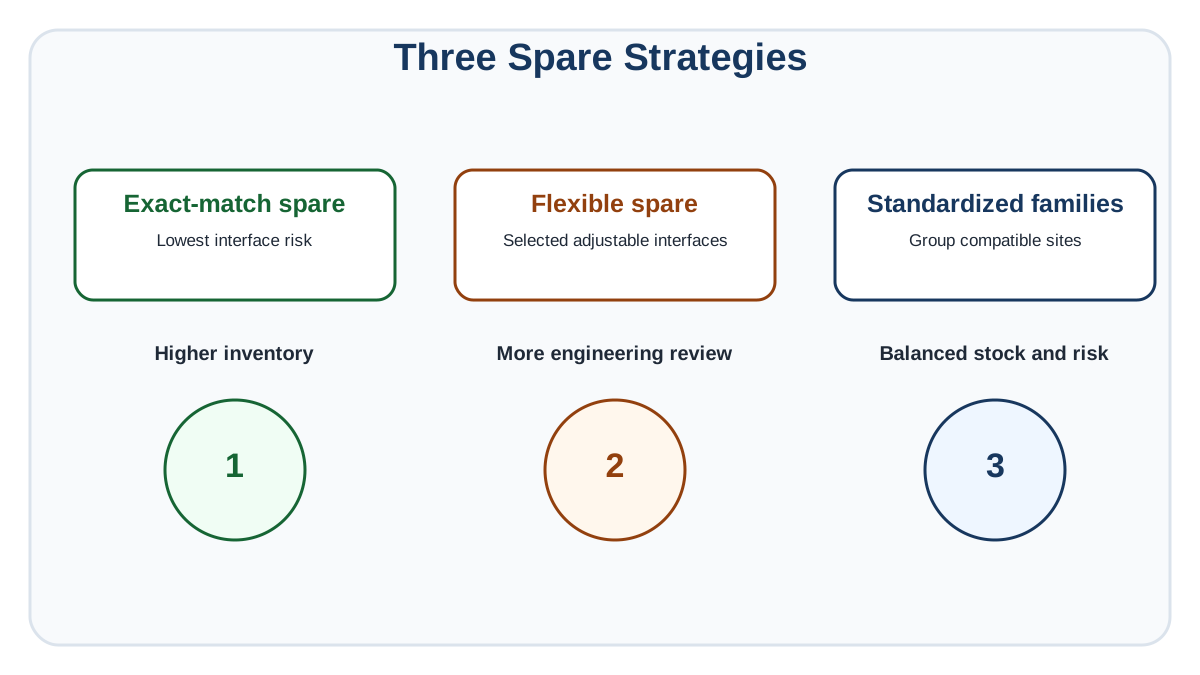
Strategy A: Exact-match spare
The spare is identical to one critical installed unit.
Advantages
- lowest compatibility risk;
- faster field decision;
- fewer engineering changes during an emergency.
Limitations
- higher inventory cost when many site designs exist;
- limited usefulness outside the exact site family.
Strategy B: Flexible standardized spare
One design is engineered to serve several sites using an approved tap range, standardized accessories, planned cable adapters or predefined mounting interfaces.
Advantages
- lower inventory count;
- broader emergency coverage;
- stronger purchasing leverage for repeat units.
Limitations
- requires careful engineering before purchase;
- field conversion steps must be documented;
- a “universal” spare is rarely truly universal.
Strategy C: Standardized families
The owner keeps separate families, such as:
- one common single-phase pole-mounted spare;
- one common three-phase pole-mounted spare;
- one common small pad-mounted spare;
- one common larger pad-mounted spare.
This often provides a better balance between compatibility and inventory cost than trying to make one transformer serve every location.
When One Spare Should Not Cover Multiple Sites
Do not force one spare across sites when there are major differences in:
- primary voltage;
- phase;
- secondary system;
- grounding;
- BIL;
- available fault current;
- utility ownership or approval;
- physical mounting;
- environmental duty;
- critical-load performance.
The money saved on inventory can disappear in emergency redesign, adapters, prolonged outage or an unusable transformer.
Create a Site Compatibility Table
A working compatibility sheet can use a compact summary table:
| Site | Electrical family | Physical interface | Proposed spare family |
|---|---|---|---|
| Site A | 50 kVA, single-phase, confirmed voltage/BIL/impedance | Pole bracket set A | Family P1 |
| Site B | 75 kVA, single-phase, values to confirm | Pole bracket set A | Review P1/P2 |
| Site C | 500 kVA, three-phase, values to confirm | Pad opening B | Family D1 |
The detailed engineering worksheet behind this summary should still record primary voltage, secondary voltage, phase, frequency, connection, BIL, impedance, taps, terminals, protection, utility requirements and environment. The example only shows the structure.
Spare Storage Is Part of Reliability
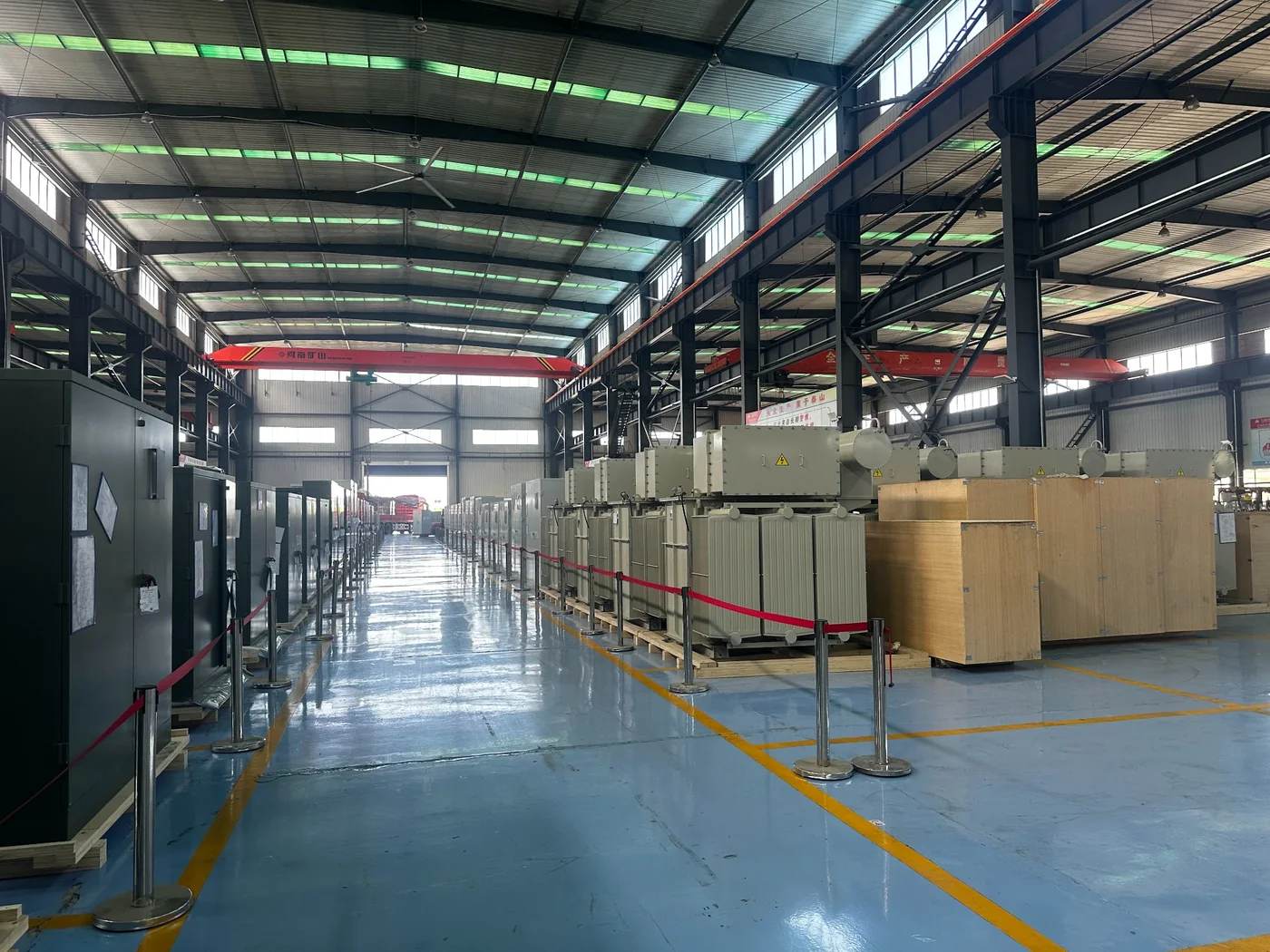
A spare transformer can deteriorate before it is used if storage is ignored.
Review:
- storage environment;
- moisture protection;
- oil level and leak inspection;
- bushing protection;
- pressure or preservation instructions;
- periodic visual checks;
- transport packaging;
- preservation of drawings and test reports;
- availability of compatible fuses, arresters, connectors and gaskets.
An emergency spare without documents and accessories is only partially ready.
Procurement Package for a Standardized Spare Program
Send:
- nameplates from all candidate sites;
- single-line diagrams;
- load and criticality data;
- utility requirements;
- pole mounting or pad drawings;
- cable and conductor details;
- protection information;
- site environments;
- preferred response time;
- storage location and transport limits;
- current installed spare inventory.
TransformerGrid can help organize the compatibility matrix, identify parameters that can be standardized, coordinate drawings and technical clarifications, and obtain project-based quotations from verified manufacturing partners.
The correct outcome may be one spare, two standardized families, or dedicated units for several critical sites. The analysis should decide the inventory—not the other way around.
Final Decision Rule
A spare is only valuable when it can be connected safely, approved quickly and moved to the failed site within the required recovery window.
Do not count transformers in the warehouse. Count sites that the spare can actually restore.
FAQ
Can a higher-kVA spare replace a lower-kVA transformer?
Possibly, but not without review. Fault current, impedance, losses, mounting weight, conductor rating and protection coordination may change.
Can one pad-mounted spare serve different pad sizes?
Only if the footprint, opening, cable entry, compartment orientation, terminals and clearances are compatible or approved adapter work has been planned.
How often should a stored spare be inspected?
Follow the manufacturer’s storage and preservation instructions. Periodic checks commonly include leaks, oil level, bushings, corrosion, pressure or preservation condition, accessories and document availability.
Should a spare be energized periodically?
That depends on design, storage method, manufacturer instructions and owner practice. Do not create a generic energization schedule without engineering and safety review.
Send the Existing Condition Before Requesting a Quote
Share the old nameplate, drawings, site photos, current load, failure history, utility requirements and required delivery date. TransformerGrid can help organize open technical points and coordinate quotation, drawings, documents, FAT and export delivery with a verified manufacturing partner.
Send RFQ and drawingsPole-mounted transformerPad-mounted transformer