Technical Library · Replacement-002
Transformer Refurbishment Scope and Acceptance Testing: Inspection, Drying, Oil Treatment and Rewinding
Engineering reference prepared by TransformerGrid · Project-specific requirements require manufacturer, utility and qualified-engineer verification.
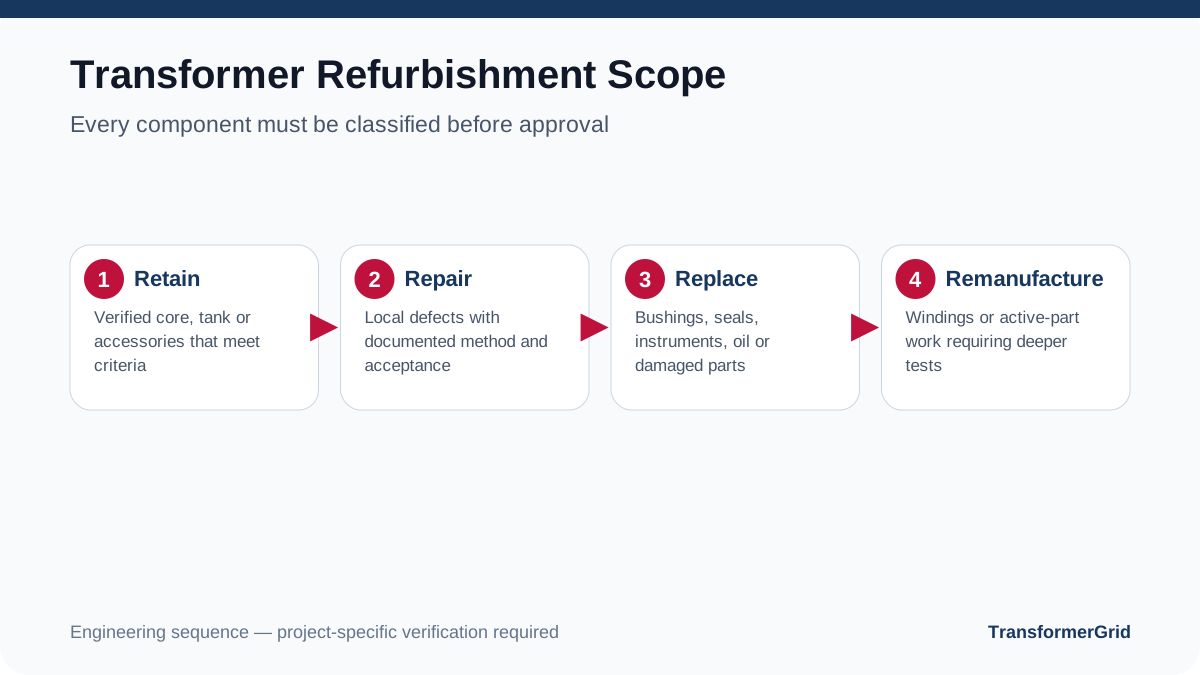
Separate Repair, Refurbishment, Rewinding and Replacement
Field repair normally addresses an accessible defect such as an external bushing, seal, gauge, connection or accessory without rebuilding the active part.
Factory refurbishment may include draining oil, cleaning, seal replacement, tank repair, accessory replacement, drying, oil treatment, repainting and testing. The phrase “complete refurbishment” has no useful meaning unless each included operation is listed.
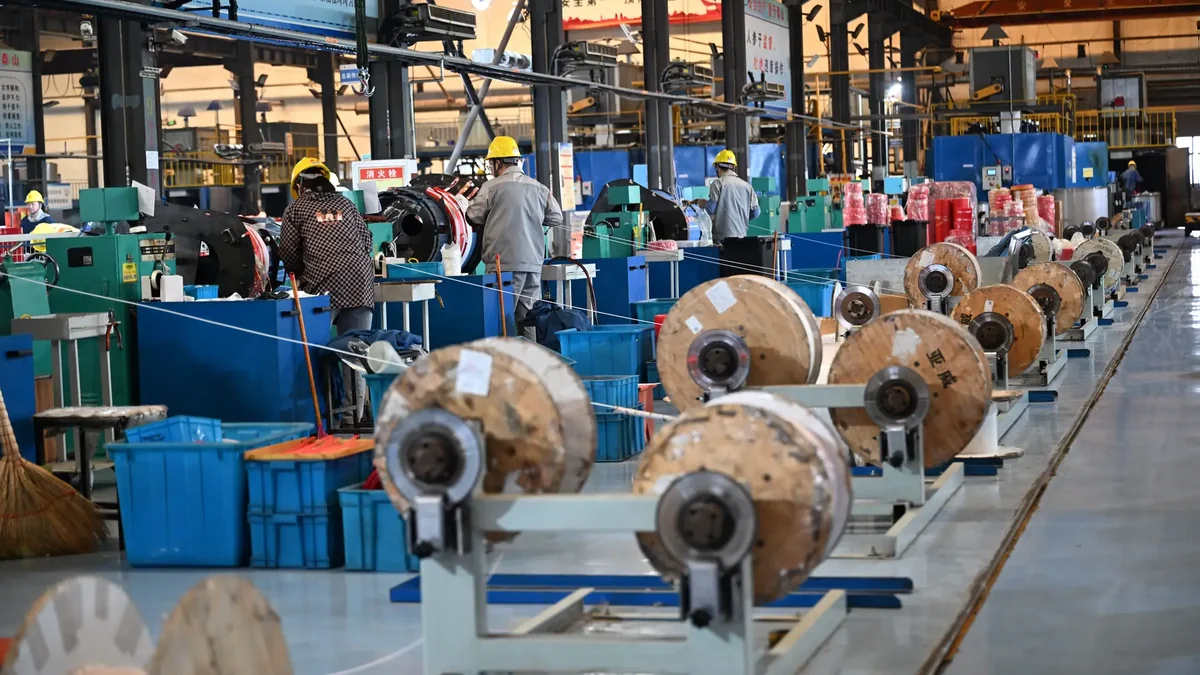
Rewinding opens the active part, removes old windings, installs new conductors and insulation, dries and reassembles the unit, then refills and retests it. It is a deeper intervention with more unknown findings after disassembly.
New replacement allows the buyer to reassess capacity, voltage, BIL, impedance, losses, protection, corrosion resistance, accessories, documentation and future load instead of automatically restoring the old design.
Questions the Condition Assessment Must Answer
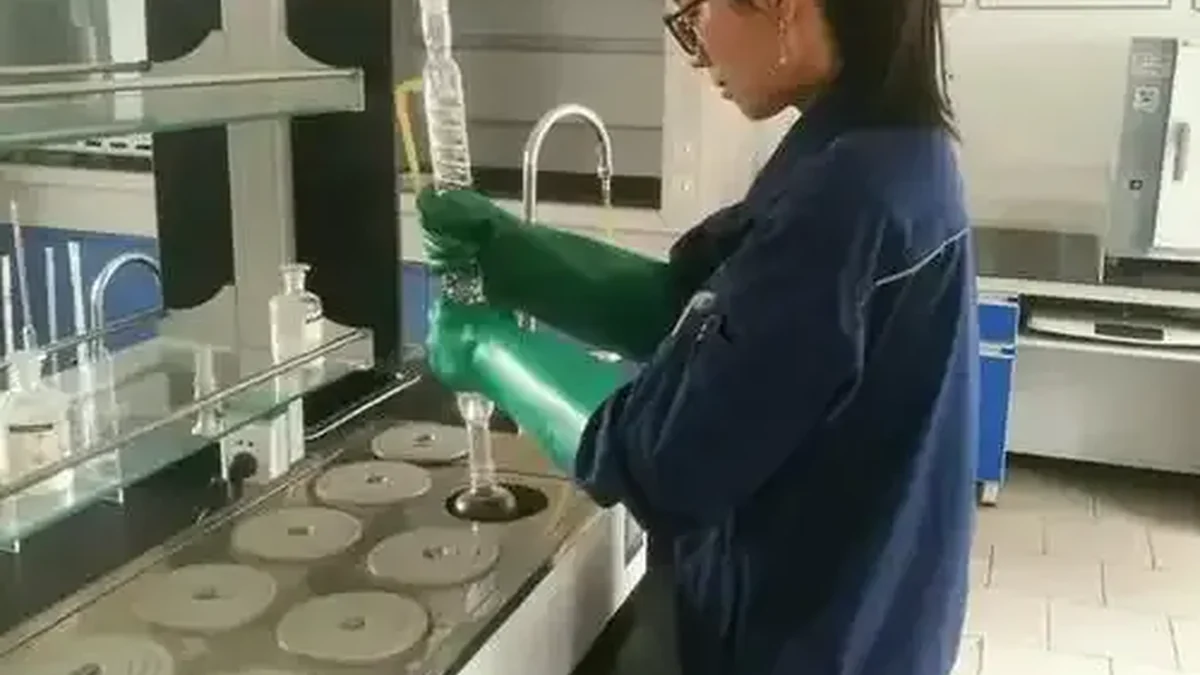
Assessment should identify whether the defect is external or internal; whether cellulose insulation shows evidence of ageing; whether oil is wet, oxidized or contaminated; whether abnormal gases are present; whether the unit has been chronically overloaded; whether short-circuit forces may have affected the winding; and whether corrosion is local or widespread.
Evidence may include dissolved-gas analysis, oil moisture, acidity and breakdown voltage, insulation resistance, ratio, winding resistance, losses, impedance, load and temperature history, protection records and internal inspection where justified. The test program must be selected for the equipment class and failure mechanism rather than copied from a generic checklist.
The Quotation Must Define Retained and Replaced Parts
The scope should state the treatment of the tank, cover, cooling surfaces, bushings, seals, gauges, valves, leads, tap changer, core, windings, solid insulation, oil and external protection accessories.
For retained parts, the assessment method and acceptance criteria should be stated. For replacement parts, material and rating should be identified. For conditions that cannot be confirmed before opening, the quotation should define the change-order mechanism and the evidence required before extra work is approved.
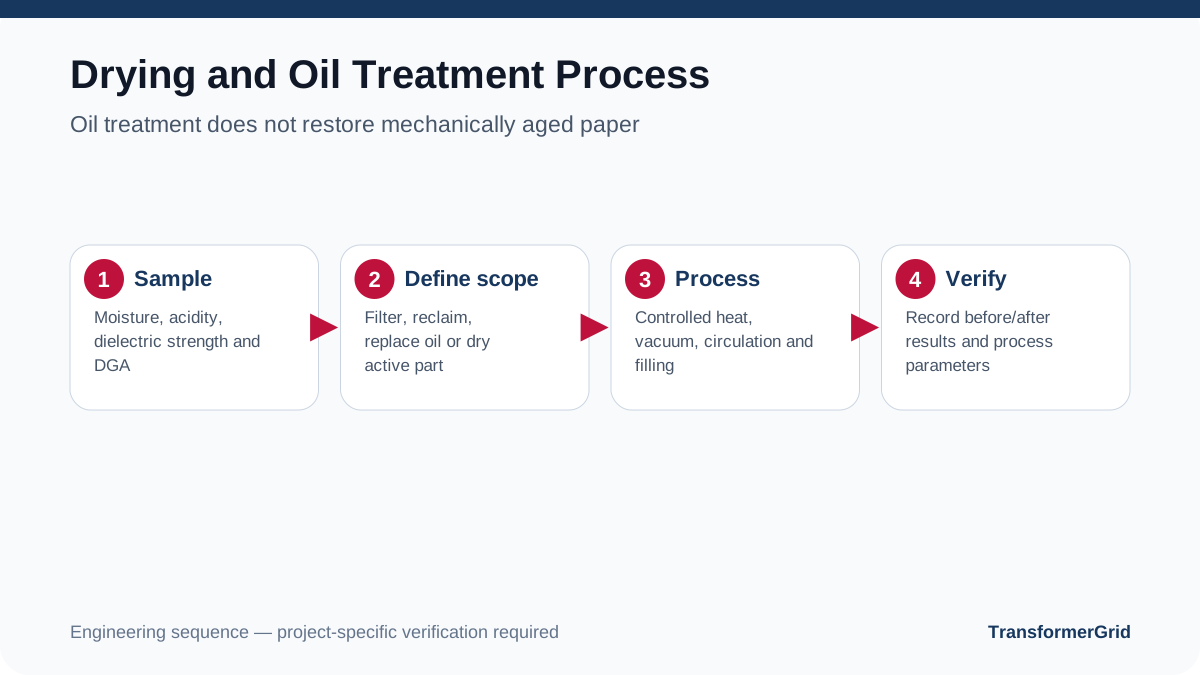
Drying and Oil Treatment Are Not the Same Operation
Oil filtration can remove some particles and moisture, but it does not restore cellulose insulation that has already lost mechanical strength. Oil reclamation may improve acidity and oxidation products, but suitability depends on contamination, oil condition and contract requirements.
Active-part drying addresses moisture in windings and solid insulation through a controlled heat, vacuum or equivalent process. Records should identify the method, process parameters, before-and-after measurements and filling conditions—not merely state that the transformer was “treated.”
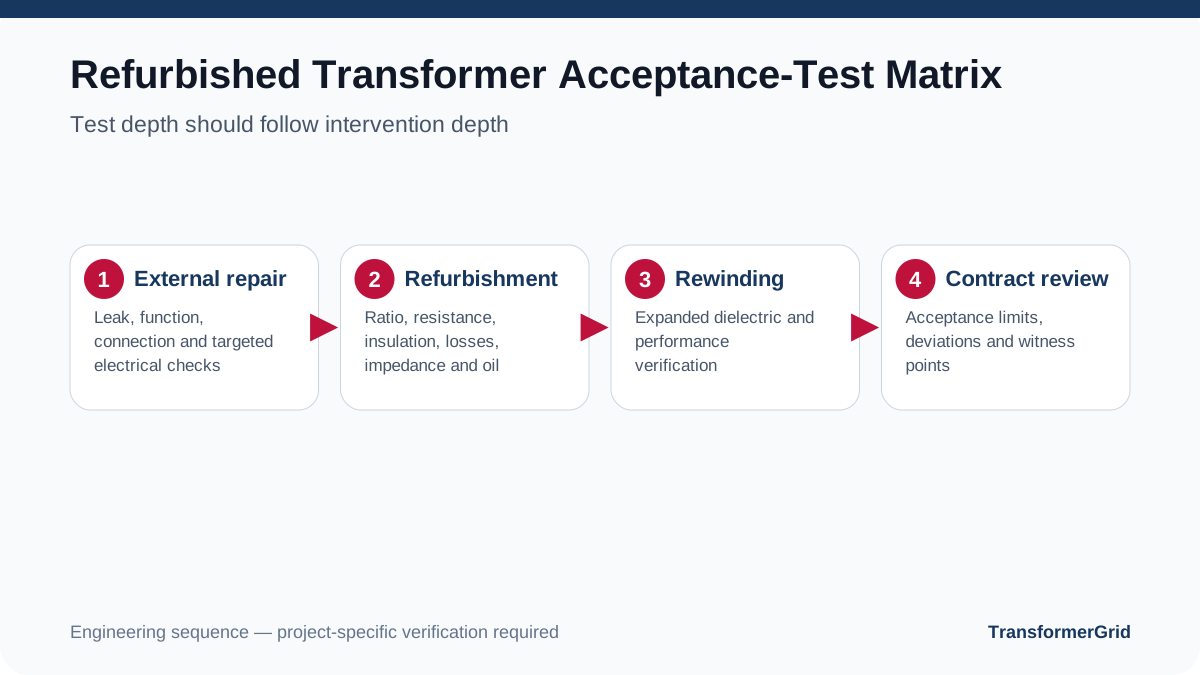
Acceptance Testing Must Match the Intervention Depth
External repairs normally justify a narrower program than a complete rewind, but every intervention should demonstrate that no new connection, sealing or insulation problem was introduced.
Checks may include ratio and polarity or phase relation, winding resistance, insulation resistance, no-load loss and current, load loss and impedance, dielectric tests, oil tests, pressure or leak checks, accessory function and nameplate verification. Temperature-rise, impulse or other special tests depend on the equipment class, repair depth, contract and applicable requirements.
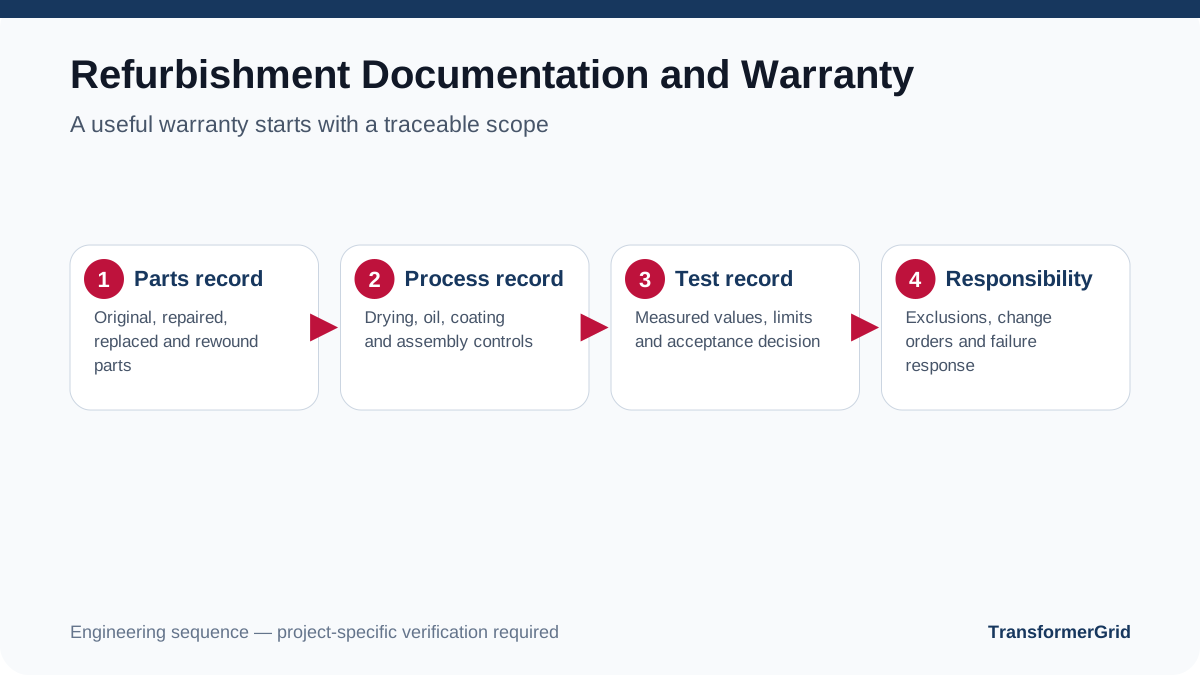
Documentation and Warranty
The final file should identify original, replaced and rewound parts; oil treatment; test items and measured values; deviations and acceptance; updated nameplate and drawings; warranty coverage and exclusions; and future maintenance recommendations.
Warranty length alone is not enough. The buyer should know who is responsible for failed acceptance tests, how discoveries after opening are approved, and whether the refurbished design still matches present loading and utility requirements.
Related buying guide: Read the commercial decision guide that applies this technical framework to cost, scope and RFQ review.
FAQ
Is a refurbished transformer always inferior to a new unit?
No. A properly assessed and competently refurbished transformer may provide useful service. Risk rises when internal condition is unknown, scope is vague or the old design no longer matches the duty.
Can oil filtration restore aged paper insulation?
No. Oil treatment may improve the liquid dielectric, but it cannot restore cellulose that has lost mechanical strength.
Must every rewound transformer repeat every type test?
The required program depends on equipment class, intervention depth, contract and applicable standards. It should be defined before work is approved.
This Technical Library page is educational. Project design, protection settings, construction, permits and energization must be completed by the utility and appropriately qualified local parties. TransformerGrid coordinates RFQ clarification, drawings, documents, FAT and export delivery with verified manufacturing partners.