Introduction
Replacing an aging or failed pole mounted transformer is rarely as simple as ordering a "like-for-like" replacement. Michael is an electrical contractor responsible for a rural distribution and small industrial power project. The existing pole mounted transformer on site had become old, and the customer had recently noticed higher temperature, increased noise and unstable power supply. The owner wanted to replace the transformer as soon as possible, but the available information was limited: one old nameplate photo, several site photos and incomplete historical records. This guide explores how Michael navigated the replacement process, prioritizing safety and engineering review over rushed procurement.
Why Old Pole Mounted Transformer Replacement Cannot Rely Only on Appearance
From the ground, two pole mounted transformers might look identical. They share similar cylindrical tanks, bushing layouts, and mounting brackets. However, internal configurations vary drastically. A 50 kVA unit might share the same tank size as a 75 kVA unit. Primary voltages could be 11kV, 13.8kV, or 33kV, and phase configurations (single-phase vs. three-phase) dictate entirely different internal windings. Relying solely on visual estimation or physical dimensions often leads to purchasing equipment that cannot connect to the local grid or support the facility's load. This is especially valuable for pole mounted transformer replacement projects where accuracy is critical.
Why the Old Nameplate Photo Is Important
The transformer nameplate is the definitive source of truth. It contains the exact kVA rating, primary and secondary voltages, impedance, vector group, manufacturing date, and total weight. For Michael, locating this nameplate information was the critical first step. A clear photo of the nameplate eliminates guesswork, allowing engineers to match the exact electrical characteristics required for a seamless replacement.
Safety First: Never Approach an Energized Transformer for a Nameplate Photo
While the old nameplate photo is incredibly valuable for pole mounted transformer replacement, TransformerGrid must emphasize: safety is always more important than quotation speed. Life safety is always higher than procurement efficiency.
Some nameplates are fixed directly on the transformer body, and the transformer may still be energized and operating. We strongly urge customers: never approach an operating transformer just to take a photo of the nameplate. Do not climb poles, open electrical compartments, touch terminals, approach the high-voltage side, or enter the minimum safe distance.
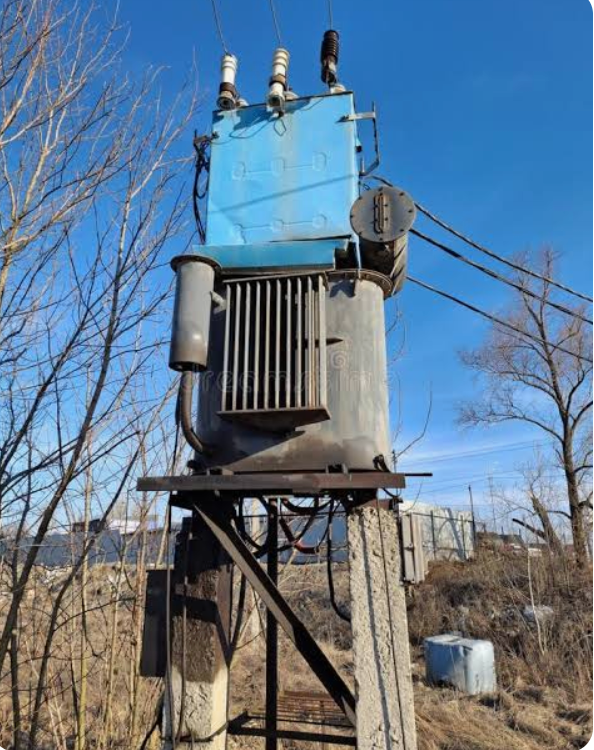
If the old transformer is still energized, prioritize obtaining information through safe methods, such as:
- Searching for original equipment manuals from the owner or maintenance team.
- Locating technical files from the original procurement.
- Requesting equipment data from the EPC company that handled the initial project.
- Obtaining original drawings, parameter sheets, or design files from the design institute.
- Confirming voltage, capacity, and wiring information with the local utility company.
- Having qualified electrical personnel conduct a site verification in strict compliance with local safety regulations.
What Michael Really Worried About: Buying the Wrong Transformer
Michael's primary fear was not the cost of the transformer itself, but the cost of a mistake. Ordering a unit with the wrong secondary voltage would mean it couldn't power the facility. Ordering the wrong primary voltage would mean the utility would refuse connection. Furthermore, a delayed replacement due to incorrect specifications would result in extended facility downtime, costing tens of thousands of dollars per day in lost production.
How TransformerGrid Helped Michael Review the Replacement Requirements
Instead of just sending a generic price list, TransformerGrid's engineering team worked with Michael to reconstruct the required specifications. By comparing available utility records, old procurement documents, safe-distance site photos and load information, TransformerGrid helped Michael clarify the likely primary voltage, secondary voltage, phase, frequency, kVA rating and replacement requirements before quotation, including whether it is a step up or step down transformer.
Common Risks in Pole Mounted Transformer Replacement Projects
Replacement projects carry unique risks compared to new installations:
- Weight Limits: Older wooden poles may have degraded. A modern replacement transformer, if heavier due to different core materials, might require pole reinforcement.
- Clearance Issues: Upgraded safety standards may require larger bushings or greater phase-to-phase clearance than the original 15-year-old unit.
- Environmental Degradation: If the original unit failed due to coastal corrosion or harsh weather, the replacement must feature upgraded protective coatings.
When to Keep Using a Pole Mounted Transformer and When to Consider Pad Mounted Transformer
During the review, Michael asked if he should switch to a pad mounted transformer. TransformerGrid advised that while pad mounted units offer easier ground-level maintenance and aesthetic benefits, switching requires significant civil work (pouring a concrete pad, trenching underground cables). Because Michael needed a fast turnaround and the existing overhead infrastructure was sound, staying with a pole mounted configuration was the most efficient and cost-effective choice.
Why Buyers Should Not Only Ask for the Lowest Price
In the industrial transformer market, the lowest initial price often hides long-term costs. A low price may come from differences in winding material, loss requirements, accessories, test report scope, standards, documentation support, packaging, delivery time or long-term reliability requirements. Buyers should understand what is included before comparing prices.
Why Export Experience Test Reports and Documents Matter
TransformerGrid provided Michael with comprehensive routine test reports and type test certificates. While TransformerGrid's experience supplying equipment to major utilities (like State Grid) serves as a strong indicator of manufacturing discipline, the actual value lies in the documentation. Proper test reports prove that the specific unit meets IEEE/ANSI or IEC standards, which is often required by local utility inspectors before they authorize grid connection.
How Michael Moved Forward with Procurement
Armed with verified specifications and a clear understanding of the engineering requirements, Michael confidently placed the order. He knew exactly what he was buying, the utility requirements were met, and the safety of his maintenance team was never compromised during the specification gathering phase.
Pole Mounted Transformer Replacement RFQ Information Table
If you are replacing an old pole mounted transformer, prepare the following information before requesting a quote:
The more complete the information, the easier it is for TransformerGrid to judge whether the old transformer can be replaced by a similar configuration or whether capacity, voltage, accessories, standards, or documentation need to be adjusted.
Pole Mounted Transformer Replacement Engineering Review Checklist
This checklist helps buyers start the right conversation even when drawings are incomplete.
Need Help Replacing an Old Pole Mounted Transformer?
If you are replacing an old pole mounted transformer, you can send your old nameplate photo if it is safe to obtain, site photos, kVA rating, voltage, project country, load information, EPC documents, design files, utility records and required delivery time. If your information is not complete, contact us first — we can help you clarify the replacement requirements step by step.
Safety first. Do not approach energized transformers for close-up nameplate photos. Use available documents, safe-distance photos, or qualified electrical personnel.