Pad Mounted Transformer for Cold Storage Warehouses: How Henry Protected Refrigeration Loads and Planned a 10kV Solar Step-Up System
Operating a cold storage warehouse is fundamentally different from managing a standard commercial building. The inventory—often consisting of millions of dollars worth of perishable food, pharmaceuticals, or temperature-sensitive chemicals—relies entirely on an uninterrupted, high-quality power supply. When Henry Collins, a facility director for a rapidly expanding regional logistics company, was tasked with overseeing the electrical infrastructure for a new 150,000-square-foot refrigerated distribution center, he knew that the transformer selection would be one of his most critical decisions.
Henry's project was complex. Not only did he need a reliable distribution transformer to step down utility power for massive industrial refrigeration compressors, but corporate sustainability goals also mandated the installation of a massive rooftop photovoltaic (PV) array. This meant he also had to plan for a 10kV solar step-up transformer system to feed excess generated power back into the local grid. This article details how Henry navigated the technical requirements of cold storage loads, evaluated pad mounted transformer options, and successfully integrated a long-term solar energy strategy.
Why Henry Did Not Treat a Cold Storage Transformer as a Normal Purchase
In standard commercial real estate, a transformer failure might result in a few hours of uncomfortable office temperatures and lost productivity. In a cold storage warehouse, a transformer failure is a catastrophic event. If power is lost and backup systems fail to engage properly due to electrical faults, the temperature inside the facility begins to rise immediately. Within hours, strict regulatory temperature thresholds for food safety or pharmaceutical efficacy can be breached, resulting in the total loss of the inventory.
Henry understood that he could not simply order a generic "off-the-shelf" transformer based on a rough square-footage estimate. He needed equipment engineered for continuous, heavy-duty industrial cycles. The transformer had to handle the massive inrush currents generated when multiple heavy refrigeration compressors start simultaneously. Furthermore, because the facility would operate 24/7/365, the transformer needed exceptional thermal management to prevent overheating during peak summer months when the cooling demand was at its highest.
Cold Storage Loads Are Different from Ordinary Building Loads
To properly size the transformer, Henry had to conduct a deep dive into the specific electrical loads of a refrigerated warehouse. Unlike an office building where lighting and HVAC loads are relatively predictable and follow a diurnal curve, a cold storage facility's load profile is dominated by industrial refrigeration equipment.
The primary loads include massive ammonia or freon compressors, large evaporator fans, condenser pumps, and specialized under-floor heating systems (designed to prevent the ground beneath the freezer from freezing and heaving). Additionally, the facility utilized automated storage and retrieval systems (ASRS), electric forklift charging stations, and high-intensity LED lighting. Henry had to calculate not just the steady-state running load, but the peak starting load. Compressors, in particular, draw a starting current (locked rotor amps) that can be six to eight times their normal running current. If the transformer is undersized, this sudden demand can cause a severe voltage drop, potentially damaging sensitive control electronics or causing the compressors to stall and fail to start.
Three-Phase Transformer Requirements for Refrigeration Compressors
Because of the heavy motor loads, single-phase power was entirely out of the question. Henry required a robust three phase transformer system. Three-phase power provides a smoother, more continuous flow of electricity, which is essential for the efficient operation of large industrial motors. It reduces vibration, lowers operating temperatures, and extends the lifespan of the expensive refrigeration compressors.
Henry worked closely with his electrical engineers to determine the exact secondary voltage required by the refrigeration equipment—in this case, a standard 480Y/277V three-phase, four-wire system. He also had to carefully consider the vector group of the transformer to ensure compatibility with the facility's variable frequency drives (VFDs), which were used to control the speed of the evaporator fans and condenser pumps. VFDs can introduce harmonic distortion into the electrical system, so Henry specified a transformer with a K-factor rating appropriate for handling non-linear loads without overheating.
Pad Mounted Transformer for Cold Storage Warehouses
Given the massive power requirements of the 150,000-square-foot facility, Henry quickly determined that a pad mounted transformer was the only logical choice for the main distribution step-down. The required capacity—a 2500 kVA unit—was far too large and heavy to be mounted on a utility pole.
A pad mounted transformer offered several distinct advantages for the warehouse environment. First, it allowed for secure, underground high-voltage cable routing, eliminating the risk of overhead lines being struck by the constant flow of semi-trucks entering and exiting the loading docks. Second, the dead-front, compartmentalized design of modern pad mounted transformers provided a high level of safety for facility personnel. The locked, tamper-resistant enclosure ensured that only authorized utility workers or licensed high-voltage electricians could access the energized components. Finally, placing the transformer on a concrete pad near the main electrical room minimized the length of the expensive, heavy-gauge secondary cables required to carry the high current into the building.
When a Pole Mounted Transformer May Still Be Considered
While the main facility required a massive pad mounted unit, Henry did find a use for pole mounted transformers on the periphery of the project. The logistics center included a remote guardhouse, an automated gate system, and extensive perimeter security lighting located nearly a half-mile from the main building.
Running low-voltage cables over that distance would have resulted in unacceptable voltage drop and required prohibitively thick, expensive copper wire. Instead, Henry opted to run a high-voltage lateral line to the perimeter and install a small, 50 kVA single-phase pole mounted transformer to step the voltage down locally for the security infrastructure. This hybrid approach—using a large pad mounted unit for the heavy industrial loads and a small pole mounted unit for remote ancillary loads—optimized both performance and installation costs.
Henry's Story: Cold Storage 24-Hour Power and a 10kV Solar Step-Up Plan
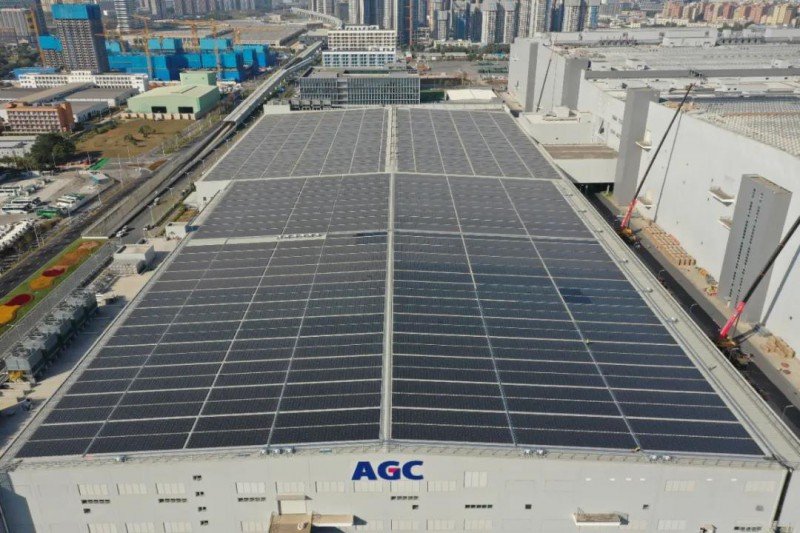
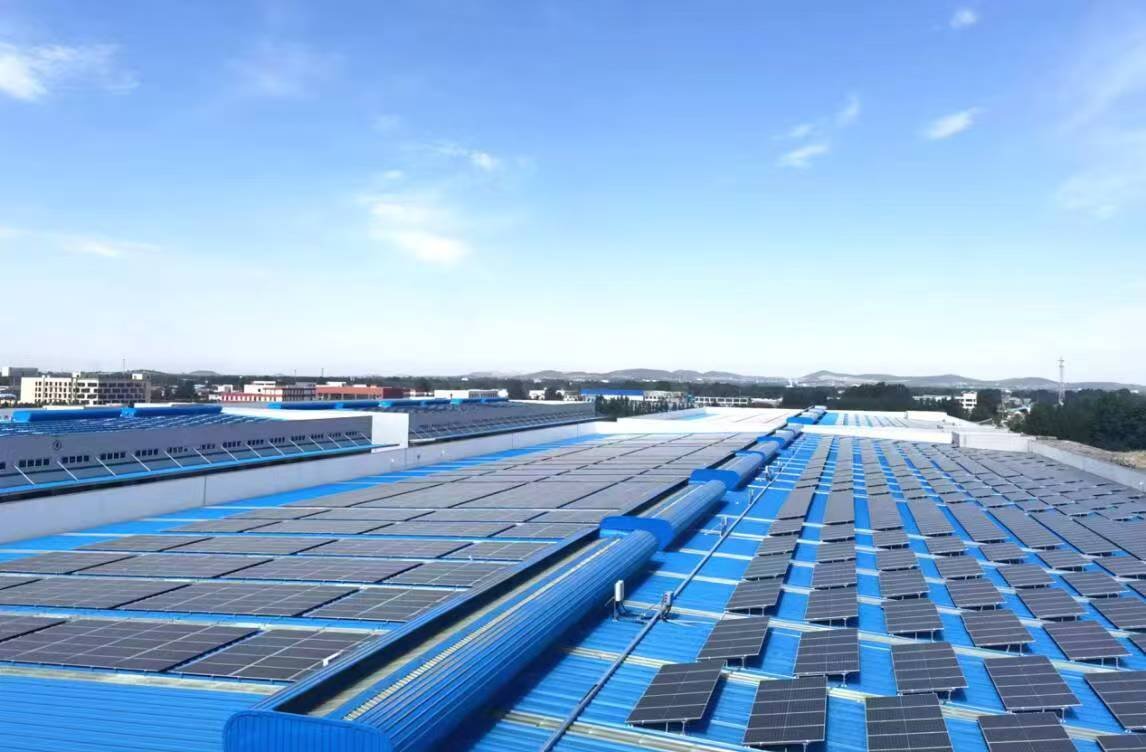
Securing reliable power for the refrigeration system was only half of Henry's mandate. The corporate board had recently committed to aggressive carbon reduction targets, and the massive, flat, unobstructed roof of the cold storage warehouse presented an ideal location for a commercial-scale photovoltaic (PV) array.
The solar plan was ambitious. During peak daylight hours, the PV array was projected to generate more electricity than the refrigeration system consumed. To monetize this excess generation, the facility needed a step-up transformer for solar and wind projects to export power back to the local utility grid. However, the solar inverters output power at a low voltage (typically 480V or 800V), while the local utility distribution grid operated at 10kV. Henry needed a way to bridge this gap.
Distribution Transformer and 10kV Step-Up Transformer: Two Different Roles
It is a common misconception that a single transformer can easily handle both stepping down utility power for the building and stepping up solar power for the grid simultaneously in a complex industrial setup. While bi-directional power flow is possible, Henry's engineering team advised separating the systems for maximum reliability and grid compliance.
The main 2500 kVA pad mounted distribution transformer was dedicated entirely to stepping down the 10kV utility power to 480V to run the facility's critical refrigeration loads. This ensured that the warehouse always had a stable, dedicated connection to the grid, regardless of solar generation status.
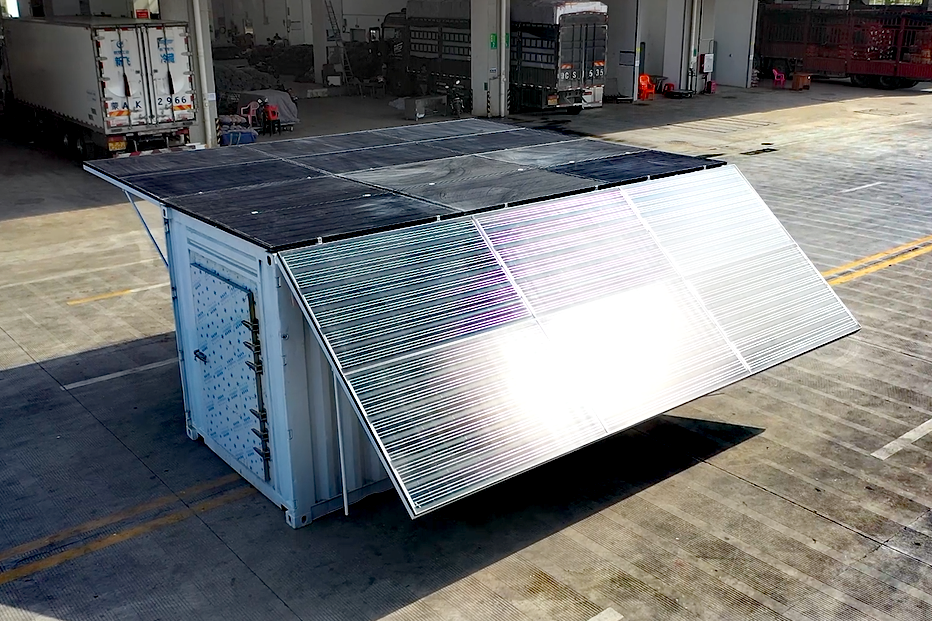
For the solar array, Henry specified a separate, dedicated 10kV step-up transformer. This unit took the low-voltage output from the solar inverters and stepped it up to the 10kV required for grid export. This dedicated step-up transformer was specifically designed for a 10kV grid connection in renewable energy applications, featuring electrostatic shields to mitigate high-frequency noise generated by the inverters and robust insulation to handle the unique voltage stresses associated with PV systems. By separating the roles, Henry ensured that a fault in the solar export system would not compromise the critical power supply to the refrigeration compressors.
Why Transformer Reliability Matters for 25-Year Solar Project Planning
Commercial solar arrays are long-term investments, typically modeled with a financial lifespan of 20 to 25 years. Henry knew that the financial viability of the solar project depended entirely on the reliability of the 10kV step-up transformer. If the transformer failed, the facility could not export power, and the return on investment (ROI) calculations would collapse.
Therefore, Henry applied the same rigorous procurement standards to the step-up transformer as he did to the main distribution transformer. He demanded comprehensive routine test reports, verified the quality of the core steel and winding materials, and ensured the unit was designed to withstand the thermal cycling inherent in solar applications (where the transformer operates at full load during the day and cools down completely at night).
Backup Power and Temperature Protection Planning
Even with the most reliable utility connection and top-tier transformers, Henry had to plan for the worst-case scenario: a total regional grid blackout. To protect the perishable inventory, the facility was equipped with massive diesel standby generators.
The integration of these generators required careful coordination with the transformer planning. Henry utilized an automatic transfer switch (ATS) system that would isolate the facility from the dead utility grid and seamlessly transfer the critical refrigeration loads to the generators. He had to ensure that the main distribution transformer and the switchgear were properly rated to handle the transition and the subsequent inrush currents when the compressors restarted under generator power. The solar step-up system was designed to automatically disconnect during a grid outage (anti-islanding protection) to ensure the safety of utility line workers repairing the grid.
What Henry Sent Before Requesting a Transformer Quotation
Henry knew that vague requests lead to inaccurate quotes and delayed projects. Before reaching out to suppliers, he compiled a comprehensive technical package. This package included:
- Detailed Load Calculations: A complete breakdown of the steady-state running loads and the peak starting loads (locked rotor amps) of all refrigeration compressors.
- Single-Line Diagrams: Electrical schematics showing the proposed layout of the utility connection, the main distribution transformer, the backup generators, the ATS, and the separate 10kV solar step-up system.
- Utility Interconnection Requirements: The specific technical standards mandated by the local power company for both the load-serving connection and the solar export connection.
- Site Environmental Data: Information on the local climate, including maximum summer ambient temperatures, to ensure the transformers were properly rated for the operating environment.
How TransformerGrid Helped Henry Reduce Inventory Loss Risk and Energy Cost Uncertainty
When Henry submitted his technical package to TransformerGrid, he didn't just receive a price list; he received an engineering consultation. The TransformerGrid team reviewed his load calculations and confirmed that a 2500 kVA pad mounted unit with a specific K-factor rating was optimal for the refrigeration loads.
Furthermore, they provided critical guidance on the 10kV solar step-up transformer, recommending specific design features to handle the harmonic profile of the PV inverters and ensure compliance with the local utility's strict grid-tie regulations. By providing fully documented, utility-ready equipment backed by comprehensive test reports, TransformerGrid gave Henry the confidence that his facility's power infrastructure would protect the valuable inventory and maximize the ROI of the solar investment.
Conclusion
Procuring transformers for a cold storage warehouse is a high-stakes engineering challenge. It requires a deep understanding of heavy industrial motor loads, rigorous backup power planning, and, increasingly, the integration of renewable energy systems. Whether specifying a step up or step down transformer, treating the procurement as a critical infrastructure decision rather than a commodity purchase, and by partnering with a knowledgeable supplier like TransformerGrid, facility managers like Henry can ensure 24/7 reliability, protect millions of dollars in inventory, and successfully execute long-term sustainability strategies.
Frequently Asked Questions
1. Why do cold storage warehouses need specialized transformer planning?
Cold storage facilities rely on massive industrial refrigeration compressors that draw huge starting currents. A power failure can result in the rapid loss of millions of dollars of temperature-sensitive inventory, making reliability and proper load sizing critical.
2. Can a pole mounted transformer power a large cold storage facility?
Generally, no. Large cold storage facilities require capacities (e.g., 1500 kVA to 3000 kVA) that are far too heavy and large for pole mounting. Pad mounted transformers are required for the main facility, though small pole mounted units might be used for remote perimeter security.
3. Why is three-phase power required for refrigeration?
Three-phase power provides a continuous, smooth flow of electricity, which is essential for starting and running large industrial compressor motors efficiently, reducing vibration, and extending equipment lifespan.
4. What is a 10kV solar step-up transformer?
It is a specialized transformer used in commercial solar arrays to take the low-voltage output from solar inverters (e.g., 480V or 800V) and increase it to the high voltage (e.g., 10kV) required to export power back to the utility grid.
5. Why separate the distribution transformer from the solar step-up transformer?
Separating the systems increases reliability. It ensures that the critical refrigeration loads have a dedicated, stable connection to the utility grid, while isolating the unique electrical stresses and harmonics of the solar inverters to a dedicated step-up unit.
6. How does a backup generator integrate with the transformer system?
An Automatic Transfer Switch (ATS) is used to disconnect the facility from the dead utility grid and connect it to the standby generators. The electrical system must be designed to handle the transition and the massive inrush currents when compressors restart on generator power.
7. What information is needed for a cold storage transformer quotation?
Buyers should provide detailed load calculations (including compressor starting amps), single-line electrical diagrams, utility interconnection requirements, and site environmental data to ensure accurate sizing and engineering.
Need to Confirm Your Transformer Specifications?
Send us your single-line diagrams, voltage requirements, and project details. Our engineering team will review your specifications to ensure you receive an accurate, reliable quotation. today.
For product scope, kVA ranges, compartment options and RFQ information, review the TransformerGrid pad mounted transformer product page.