Step Up Transformer for Solar and Wind Projects: How Aisha Matched Grid-Connection Requirements Before Ordering
1. Introduction
Project approval comes before transformer procurement. Aisha Khan, a renewable energy project developer, knows this well. Her work focuses on project development, approvals, permits, and coordination. Once a project receives approval, the real technical work begins—determining the right transformer based on design institute drawings and grid-connection requirements.
2. Project Approval Comes First: Why Aisha Does Not Start With Price Alone
Many renewable energy developers make a common mistake: they ask for transformer quotations before their projects are approved. Aisha learned early that this approach wastes time and creates confusion. Project approval determines the technical foundation. Grid-connection requirements define the transformer specifications. Only after these are clear does a meaningful quotation make sense. Aisha's approach is methodical. She waits for project approval. She coordinates with the design institute. She reviews the grid-connection requirements. Then, and only then, does she reach out to transformer suppliers with a clear technical basis.
3. Low-Voltage Grid Connection or 10kV Step-Up Connection?
One of the first decisions Aisha makes is whether the project can connect at low voltage or requires a step up or step down transformer. This decision has major cost and timeline implications. If a smaller photovoltaic project can legally and technically connect at low voltage, that may be the more economical option. The project avoids the cost of a step up transformer, reduces installation complexity, and reaches revenue generation faster.
However, if project capacity or utility requirements demand a 10kV or higher grid connection, then a properly designed step up transformer becomes necessary. There is no one-size-fits-all answer. The design institute and utility grid requirements provide the answer. Aisha does not oversell. She does not assume every project needs a step up transformer. She lets the technical requirements guide the decision.
4. What a Step Up Transformer Does in Solar and Wind Projects
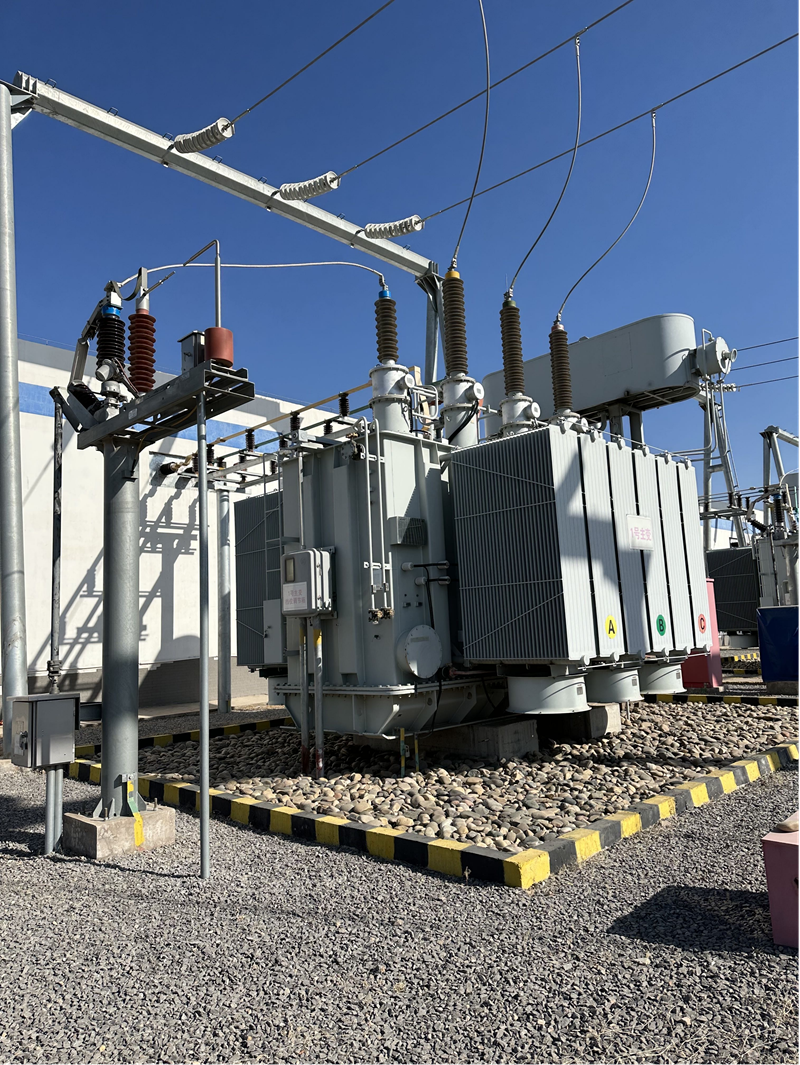
A step up transformer raises the voltage from the inverter output to the grid connection voltage required by the utility. In solar projects, the inverter converts DC power from the panels into AC power at a specific voltage—often 400V or 480V. The utility grid may require connection at 10kV, 20kV, or higher. The step up transformer bridges this gap.
In wind farm applications, the same principle applies. The wind turbine generator produces power at one voltage level. The grid connection requires a different, higher voltage. The step up transformer steps up the voltage to match grid requirements. This is not optional when grid-connection requirements demand it. It is a technical necessity. A lower-loss, high-efficiency step up transformer can help reduce operating losses over the project lifetime. For renewable energy developers focused on long-term project economics and payback, this matters. The goal is not to oversell transformer efficiency. The goal is to help developers understand that transformer losses directly impact project revenue and that choosing a quality transformer with lower losses may support better long-term project economics.
5. The Design Institute Matters More Than Many Buyers Realize
Aisha's experience taught her that the design institute is not just another stakeholder. The design institute is the technical authority. They review project drawings. They understand local utility grid requirements. They determine whether a three phase transformer is needed or if single phase is acceptable. They specify the exact voltage transformation ratio and delta and wye transformer connections. They identify testing report requirements. They may require pad mounted transformer installation or specify other protection and coordination requirements.
Many renewable energy developers treat the design institute as a formality. Aisha treats them as the foundation of the entire transformer procurement process. When she communicates with the design institute, she asks specific questions: What is the inverter output voltage? What is the grid connection voltage? What is the project capacity? Is the system three phase or single phase? What frequency—50Hz or 60Hz? Are there utility grid requirements for protection, testing, or certification? What is the destination country, and does it have specific transformer standards? Only after receiving clear answers does Aisha move forward. This approach saves time and prevents costly mistakes.
6. Why Lower Losses Matter for Renewable Energy Developers
Transformer losses are not abstract technical specifications. They are real costs that reduce project revenue every single day the project operates. A step up transformer with higher losses dissipates more energy as heat. Over a 20-year project lifetime, these losses accumulate. They reduce the total energy delivered to the grid. They reduce total project revenue.
A lower-loss, high-efficiency step up transformer reduces these daily losses. This may support better long-term project economics and faster payback. Aisha understands this. She does not chase the cheapest transformer. She looks for the transformer that balances cost, efficiency, and compliance with grid-connection requirements. This is the developer's perspective: control cost while protecting long-term project revenue.
7. Pad Mounted Transformer for Renewable Energy Projects
pad mounted transformer units are common in renewable energy projects. They are installed on a concrete pad near the project site. They are fully enclosed, weatherproof, and suitable for outdoor installation. They are often preferred for solar farms, wind projects, and even a cold storage solar step-up system because they are self-contained and require minimal additional infrastructure.
The utility grid may specify pad mounted transformer installation as a requirement. The design institute may recommend it based on site conditions and grid-connection standards. Aisha checks whether the utility requires a pad mounted transformer or whether other options are acceptable. This affects cost, installation timeline, and site preparation requirements.
8. When a Pole Mounted Transformer May Still Be Considered
In some cases, a pole mounted transformer may be considered for renewable energy projects, though this is less common than pad mounted installation. Pole mounted transformers are mounted on utility poles and are typically used in distribution networks. For renewable energy projects, pole mounted transformers are usually not the primary choice because they require pole infrastructure and are less suitable for large-scale solar or wind installations.
However, in specific situations—such as smaller projects in rural areas with existing pole infrastructure—a pole mounted transformer may be evaluated. Aisha does not assume. She asks the design institute and utility whether pole mounted is an option or whether pad mounted is required.
9. Aisha's Story: From Project Approval to a Clear Grid-Connection RFQ
Aisha's recent solar project illustrates her process. The project received approval for a 2MW photovoltaic installation. The inverter output voltage was 480V. The utility grid required connection at 10kV. The design institute specified a three phase step up transformer with a 480V to 10kV transformation ratio. Testing reports were required per local standards. The utility required a pad mounted transformer installation. The project was located in Southeast Asia, with specific delivery timeline requirements.
Aisha gathered all this information. She created a clear, detailed transformer RFQ. She sent it to three qualified suppliers, including TransformerGrid. Within days, she received quotations based on actual technical specifications, not guesses. She could compare options. She could evaluate cost, delivery time, and technical support. She could make an informed decision. This is the difference between a vague inquiry and a clear RFQ. This is why Aisha's projects move forward efficiently.
10. Why Renewable Energy Developers Need a Clear RFQ, Not a Vague Inquiry
A vague inquiry sounds like this: "We need a transformer for a solar project. What is your price?" This inquiry provides no technical basis. The supplier cannot provide an accurate quotation. The developer receives a generic price that may not match the actual project. Timeline estimates are unreliable. Technical support is limited.
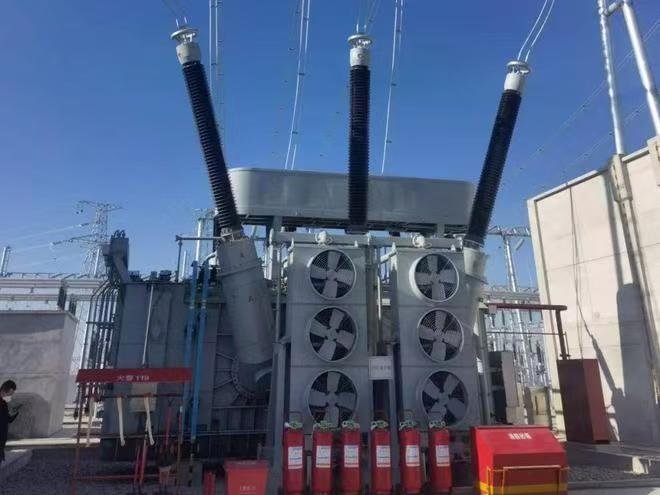
A clear RFQ sounds like this: "We need a three phase step up transformer, 480V to 10kV, 2000kVA, 50Hz, pad mounted, with testing reports per IEC standards, for delivery to Southeast Asia within 16 weeks." This RFQ provides everything a supplier needs. The quotation is accurate. The timeline is realistic. The technical support is focused. Aisha learned this lesson early. She now always prepares a clear RFQ before contacting suppliers.
11. What Aisha Sends Before Requesting a Transformer Quotation
Aisha's RFQ package includes:
- Project single-line diagram showing the inverter, transformer, and grid connection
- Inverter output voltage specification
- Grid connection voltage requirement
- Project capacity in kVA or MVA
- Single phase or three phase specification
- Frequency (50Hz or 60Hz)
- Utility grid requirements for protection, testing, or certification
- Pad mounted transformer preference or requirement
- Testing report requirements per local standards
- Destination country and any country-specific standards
- Expected delivery timeline
With this information, a qualified transformer supplier can provide an accurate quotation, realistic timeline, and meaningful technical support. Aisha no longer wastes time on back-and-forth clarifications. She gets clear answers quickly.
12. How TransformerGrid Helps Developers Avoid Procurement Detours
After several successful project communications with TransformerGrid, Aisha's perspective shifted. She no longer sees TransformerGrid only as a transformer supplier. She sees TransformerGrid as a long-term technical support partner for step up transformer procurement.
TransformerGrid helps her avoid mistakes. TransformerGrid maintains ongoing communication for future projects. When Aisha has questions about inverter output voltage, grid connection voltage, or transformer specifications, she reaches out to TransformerGrid. The response is not just a price quote. It is technical guidance. It is clarification of requirements. It is help preparing a clearer RFQ. This is the value of a long-term partnership. This is why Aisha continues to work with TransformerGrid for her renewable energy projects.
13. Conclusion
Renewable energy project development requires careful coordination between project approval, design institute requirements, utility grid specifications, and transformer procurement. Aisha Khan's approach—waiting for project approval, coordinating with the design institute, clarifying grid-connection requirements, and preparing a clear RFQ—is the professional path to successful transformer procurement.
A step up transformer is not a commodity purchase. It is a critical component that directly impacts project timeline, cost, and long-term revenue. Choosing the right transformer supplier—one who understands renewable energy projects and provides technical support—makes the difference between a smooth procurement process and costly delays. If you are a renewable energy developer facing a step up transformer decision, consider reaching out to TransformerGrid. We help developers understand their transformer requirements, prepare clearer RFQs, and avoid procurement mistakes. Your project timeline and project economics depend on getting this decision right.
14. FAQ
Q1: What is a step up transformer used for in solar and wind projects?
A: A step up transformer raises the voltage from the inverter output (typically 400V or 480V in solar projects) to the grid connection voltage required by the utility (often 10kV, 20kV, or higher). In wind projects, the step up transformer raises the generator output voltage to the required grid connection voltage. This voltage transformation is necessary when utility grid requirements demand a higher voltage than the inverter or generator produces.
Q2: When is a step up transformer required instead of low-voltage grid connection?
A: A step up transformer is required when the utility grid specifies a grid connection voltage higher than the inverter output voltage and when the project capacity or utility standards require this higher voltage connection. If a smaller photovoltaic project can legally and technically connect at low voltage, that may be the more economical option. However, if project capacity or utility requirements demand 10kV or higher grid connection, a step up transformer becomes necessary. The design institute and utility grid requirements determine this decision.
Q3: What is the difference between inverter output voltage and grid connection voltage?
A: Inverter output voltage is the AC voltage produced by the inverter after converting DC power from the solar panels. This is typically 400V or 480V. Grid connection voltage is the voltage at which the utility grid requires the project to connect. This is often 10kV, 20kV, 35kV, or higher, depending on the utility and project location. The step up transformer bridges this difference by raising the inverter output voltage to the grid connection voltage.
Q4: Why does the design institute matter for transformer selection?
A: The design institute reviews project drawings, understands local utility grid requirements, and determines the exact transformer specifications needed. They specify the voltage transformation ratio, identify whether three phase or single phase is required, determine testing report requirements, and may specify pad mounted transformer installation or other protection requirements. The design institute is the technical authority that guides the entire transformer procurement process.
Q5: How can lower transformer losses help renewable energy project economics?
A: Transformer losses dissipate energy as heat and reduce the total energy delivered to the grid. Over a 20-year project lifetime, these losses accumulate and reduce total project revenue. A lower-loss, high-efficiency step up transformer reduces these daily losses and may support better long-term project economics and faster payback. For renewable energy developers focused on long-term revenue, transformer efficiency matters.
Q6: Should a renewable energy project use a pad mounted transformer or pole mounted transformer?
A: Pad mounted transformers are more common in renewable energy projects. They are installed on a concrete pad, are fully enclosed and weatherproof, and are suitable for outdoor installation at solar farms and wind projects. The utility grid may specify pad mounted transformer installation as a requirement. Pole mounted transformers are less common for renewable energy projects because they require pole infrastructure and are typically used in distribution networks. The design institute and utility determine whether pad mounted or pole mounted is required for your specific project.
Q7: Can TransformerGrid help review renewable energy project transformer requirements?
A: Yes. TransformerGrid helps renewable energy developers understand their transformer requirements, clarify inverter output voltage and grid connection voltage, review design institute specifications, and prepare clearer transformer RFQs. We provide technical support to help developers avoid procurement mistakes and reduce project timeline delays. Contact us with your project details, and we can help review your transformer requirements before you request quotations.