Winter Failure Analysis for Pole Mounted Transformers: Causes, Warning Signs, and Prevention
As temperatures drop, power distribution networks face their most severe operational tests. Pole mounted transformers, exposed directly to the elements, are particularly vulnerable to winter-induced failures. For utility buyers, EPC contractors, and facility managers, understanding these risks is critical before finalizing procurement specifications.
This guide breaks down the primary causes of winter transformer failures and provides a checklist of what buyers must verify to ensure long-term reliability in cold climates.
Why Winter Poses a Higher Risk
Winter conditions create a perfect storm for electrical equipment: peak load demands coincide with extreme environmental stress. The combination of thermal cycling, ice accumulation, and material contraction can expose manufacturing flaws that remain hidden during milder seasons.
1. Overload from Heating Demand
The most common cause of winter failure is simple overload. As residential and commercial heating systems power on simultaneously, transformers often operate beyond their nameplate capacity.
-
Warning Sign: Excessive pressure buildup and oil leaks around the pressure relief valve.
-
Prevention: Proper load forecasting and specifying transformers with adequate overload capacity or robust cooling designs.
2. Oil Viscosity and Cooling Efficiency
Standard mineral oil thickens in sub-zero temperatures. High viscosity impedes the natural convection (ONAN) required to cool the core and windings. If the oil cannot circulate, localized hot spots develop, degrading the insulation paper rapidly.
-
Warning Sign: Rapid temperature rise despite low ambient temperatures.
-
Prevention: Specify low-temperature insulating fluids and verify the manufacturer's cold-start testing protocols.
3. Moisture Ingress and Freezing
If a transformer's seal is compromised, moisture enters the tank. In winter, this moisture can freeze, expanding and causing physical damage to internal components or drastically reducing the dielectric strength of the oil.
-
Warning Sign: Decreased dielectric breakdown voltage in routine oil samples.
-
Prevention: Ensure rigorous vacuum drying processes during manufacturing and high-quality sealing mechanisms.
4. Bushing Flashover from Ice and Snow
Ice and snow accumulation on high-voltage bushings alters their creepage distance. When combined with industrial pollution or road salt, melting ice creates a conductive path, leading to external flashovers.
-
Warning Sign: Visible arcing, tracking marks on the porcelain or polymer, or unexplained breaker trips.
-
Prevention: Specify high-creepage bushings designed for heavy icing environments.
5. Gasket and Sealing Failures
Standard rubber gaskets lose their elasticity and become brittle in extreme cold. As the transformer tank expands and contracts with load variations, brittle gaskets fail, leading to oil leaks and moisture ingress.
-
Warning Sign: Oil weeping around the cover, bushings, or tap changer handles.
-
Prevention: Mandate the use of cold-weather rated nitrile or silicone gaskets.
6. Inadequate Cold-Climate Design
Not all transformers are built the same. A unit designed for a tropical climate will fail in a sub-arctic environment due to differences in tank steel thickness, paint flexibility, and accessory ratings.
-
Warning Sign: Paint flaking, surface rust, and accessory malfunction during the first winter.
-
Prevention: Clearly state the minimum ambient temperature in your RFQ and require proof of cold-climate design capability.
7. Missing or Incomplete Test Reports
Accepting a transformer without comprehensive test reports is a massive risk. Routine tests verify that the unit meets the specified standards before it ever faces a winter storm.
-
Warning Sign: Manufacturers hesitant to provide detailed factory acceptance test (FAT) data.
-
Prevention: Demand complete routine test reports, including ratio, resistance, losses, and dielectric tests, prior to shipment.
Cold-Climate Project Experience and Documentation Support
When procuring transformers for demanding environments, a manufacturer's track record is your best guarantee. At TransformerGrid, we have extensive experience supplying equipment for extreme conditions, backed by verifiable project records.
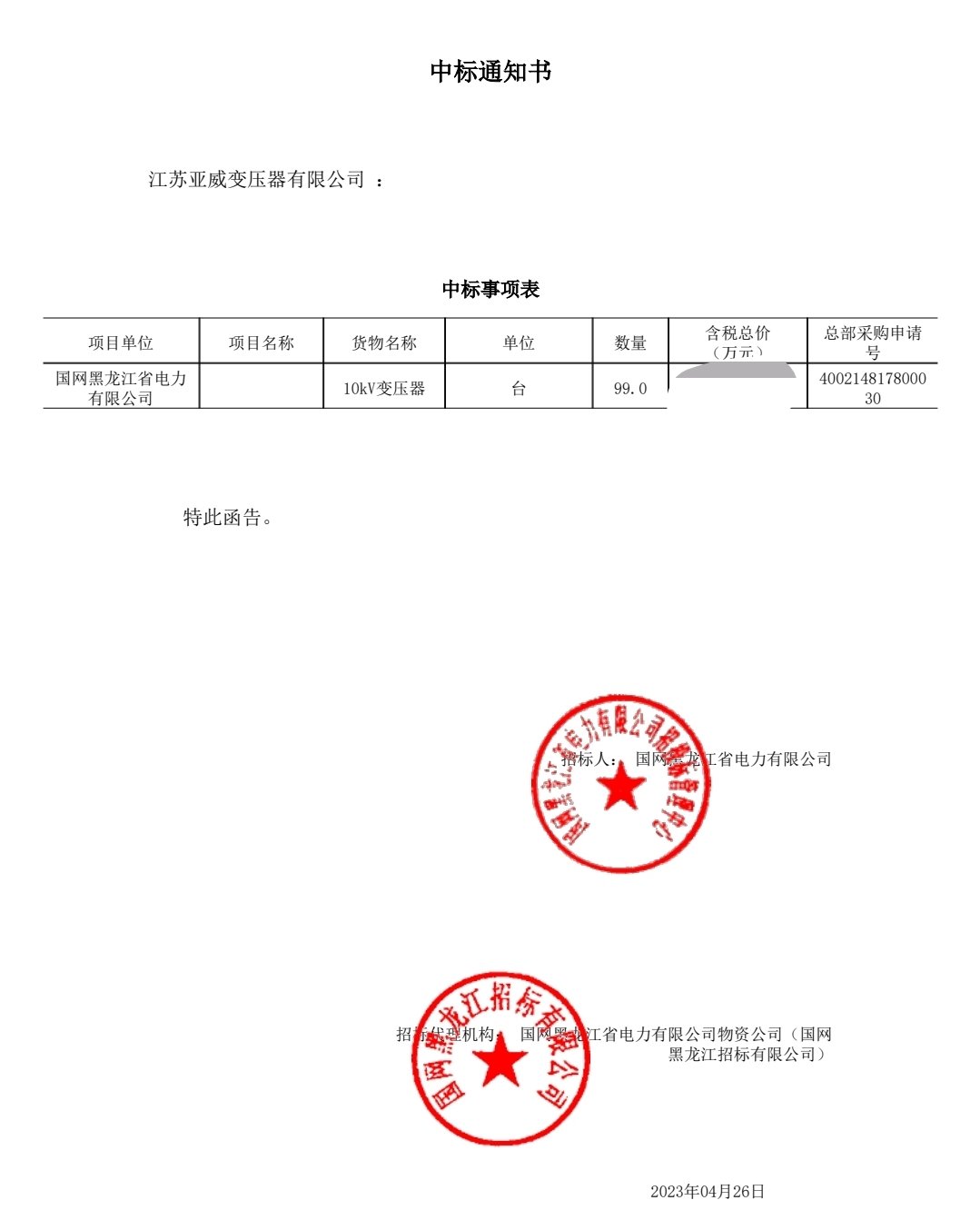
English Summary of Bid-Winning Notice
- Document Type: Bid-Winning Notice
- Project Region: Heilongjiang Province, China
- Project Type: State Grid-related 10kV transformer procurement project
- Product: 10kV transformer
- Quantity: 99 units
- Year: 2023
- Project Environment: Cold-climate power distribution environment
- Purpose of Use: Project record demonstrating transformer supply experience for low-temperature grid environments.
Our supply history includes major utility projects in regions like Heilongjiang, known for its severe winters. This experience ensures that our engineering, material selection, and quality control processes are calibrated for the harshest realities of power distribution. For more insights, review the State Grid Heilongjiang transformer supply reference or consult our pole mounted transformer price guide when planning a pole mounted transformer replacement. Also, consider The Hidden Reliability Detail in Pole Mounted and Pad Mounted Transformers.
Frequently Asked Questions (FAQ)
Why do pole mounted transformers fail more often in winter?
Winter failures are primarily driven by a combination of sudden load increases from heating demand, reduced oil viscosity affecting cooling, and physical stress on seals and bushings from ice and freezing temperatures.
What oil should be used for cold-climate transformers?
Transformers operating in freezing conditions should use specialized low-temperature mineral oil or synthetic ester fluids that maintain proper viscosity and dielectric strength well below freezing, typically rated for -40°C or lower.
How can buyers verify cold-climate performance before ordering?
Buyers should request specific routine and type test reports, verify the gasket material (e.g., nitrile rubber rated for low temperatures), and review the manufacturer's project records in similar cold-climate regions.
Ready to secure reliable winter performance?
Don't leave your winter power reliability to chance. Send us your project specifications, and our engineering team will review your cold-climate requirements before quotation.